POST · 26 MAY 2026
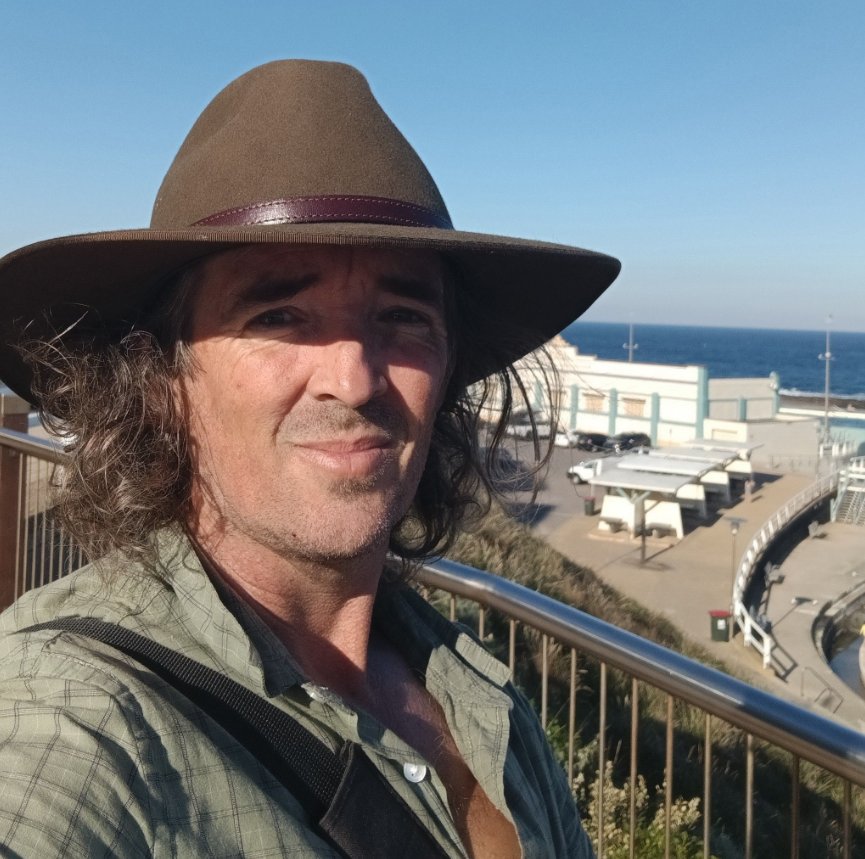
Welcome
Welcome Peeps, to my very own website, where I share my thoughts and understanding of this world. Much love and never stop questioning. Xoxox
— Brett Murrell, Newcastle
Question Everything!
Decipher and review. Tracing the chains the textbooks skip — events that caused the named event, names that covered older names, consequences that took five generations to land. A working engineer, farmer, father and writer in Newcastle, NSW.
Welcome Peeps, to my very own website, where I share my thoughts and understanding of this world. Much love and never stop questioning. Xoxox
— Brett Murrell, Newcastle
All 97 entries, newest first — the political journey and the personal one. Written the day it happened and published on Facebook and X as well as here.
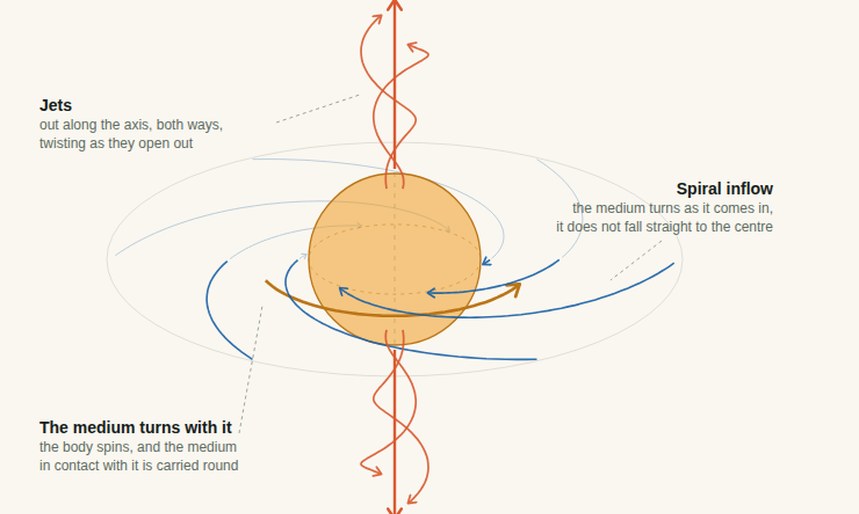
This would answer how a Classical Atom never slows down, it has a constant tank of Aether flowing through it. Could Aether flow be utilised?
Read →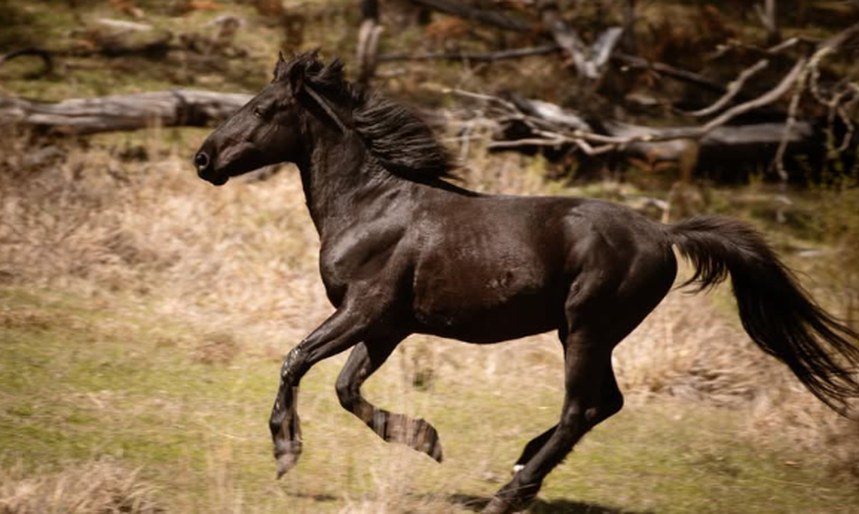
The November cull of our Brumbies has been cancelled. The power of the people.
Read →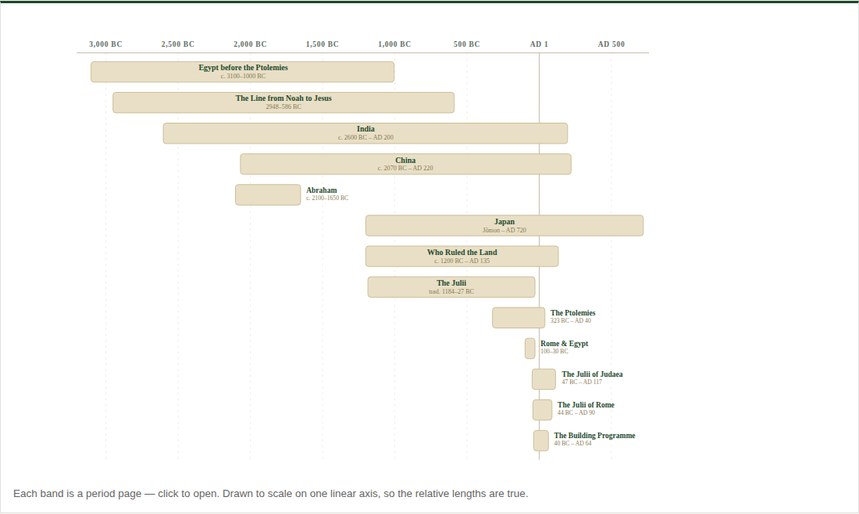
3000 BC – AD 180. History reviewed on sourced timelines, every entry graded by what actually attests it.
Read →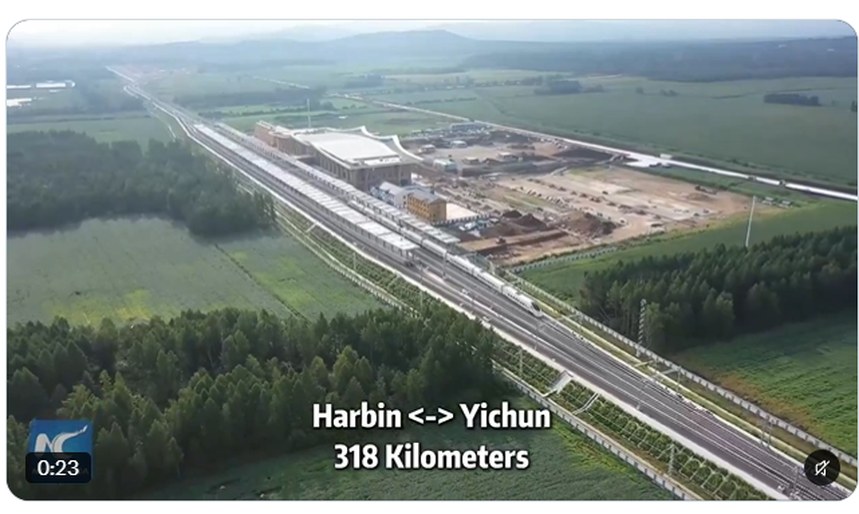
China opened four high-speed lines in a day. Perth to Brisbane in 7hrs, 40m off the ground. Wow!
Read →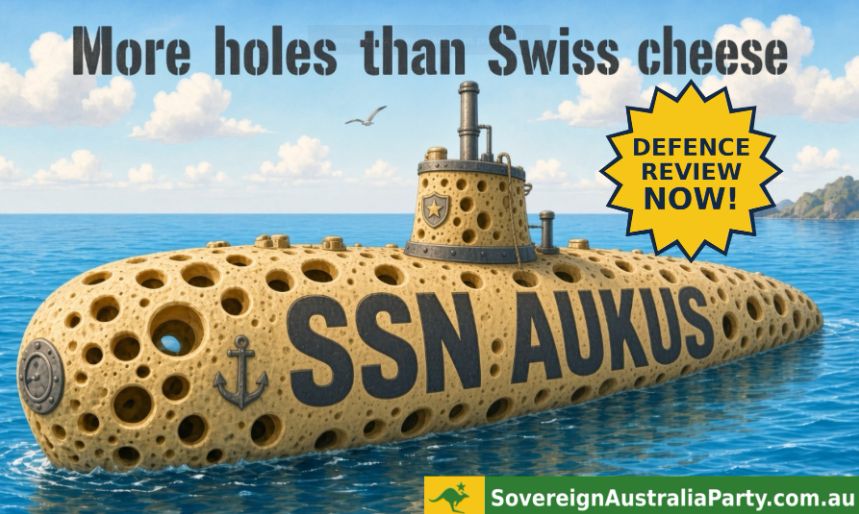
Five years on, no submarine and none before 2032. The twenty largest holes in the plan, in four groups, and the call for a defence review.
Read →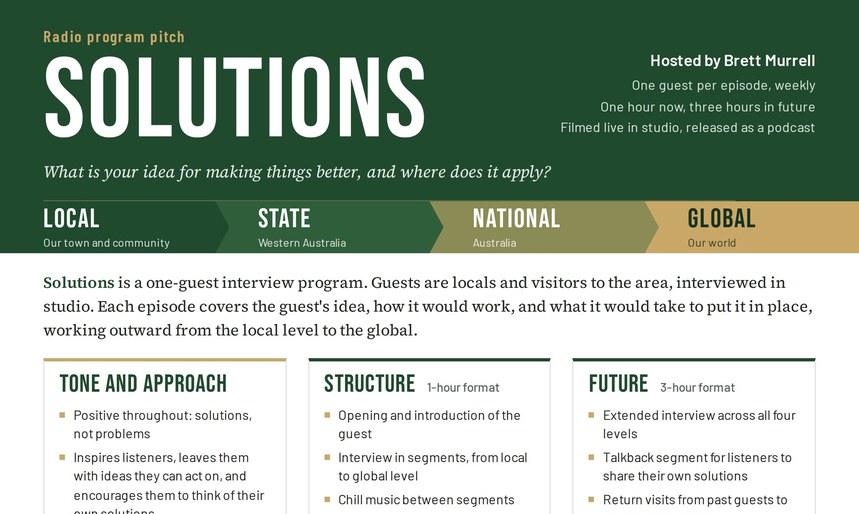
I just filmed my 1st podcast / radio show. Speaking to people from all walks of life about the solutions they have to the problems of the world.
Read →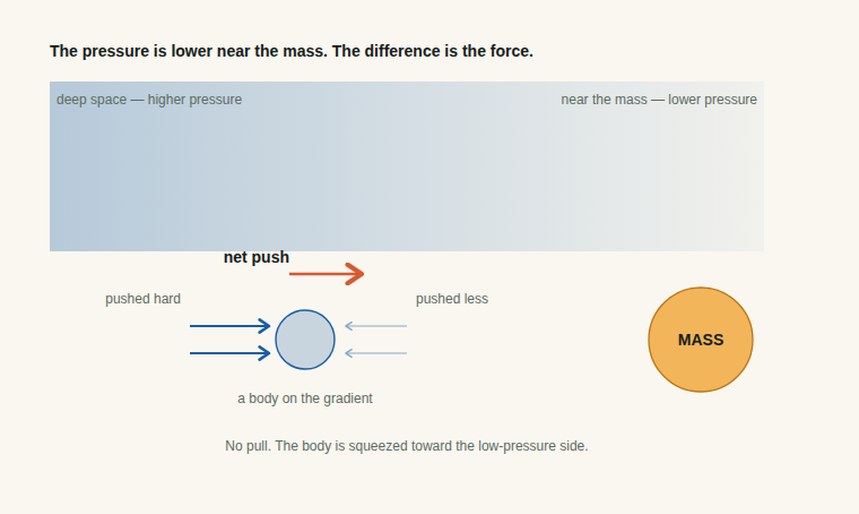
Mass produces a dent within the Aether. That dent creates a pressure gradient, and the difference of pressure across a body is the force — a push force.
Read →
Media manipulation, or propaganda, public relations. Just how much manipulation is happening in our Nation? Who is doing it?
Read →
Manage your time in the sun, build a tan slowly, wear a hat, cover up. I would even say the sun is less harsh than in the past?
Read →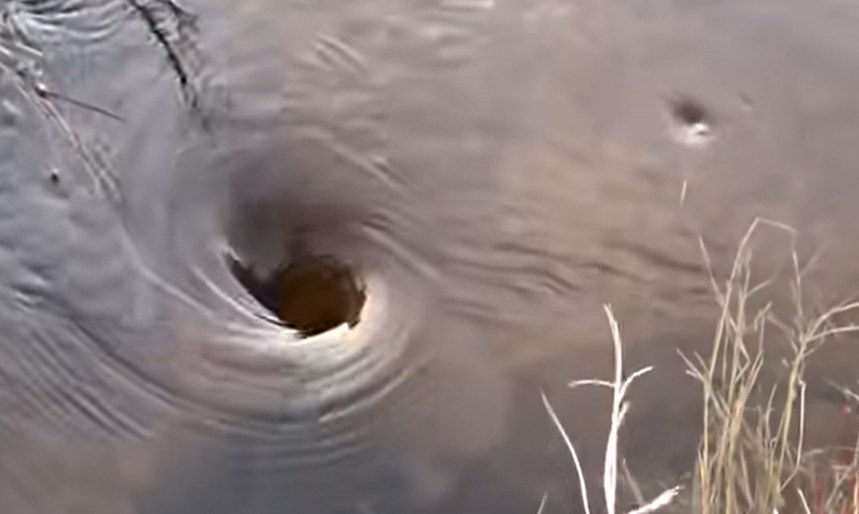
Aether flows towards mass and drives rotation, a whirlpool is generated. Could this be similar to the model for the Atom? As Above so Below?
Read →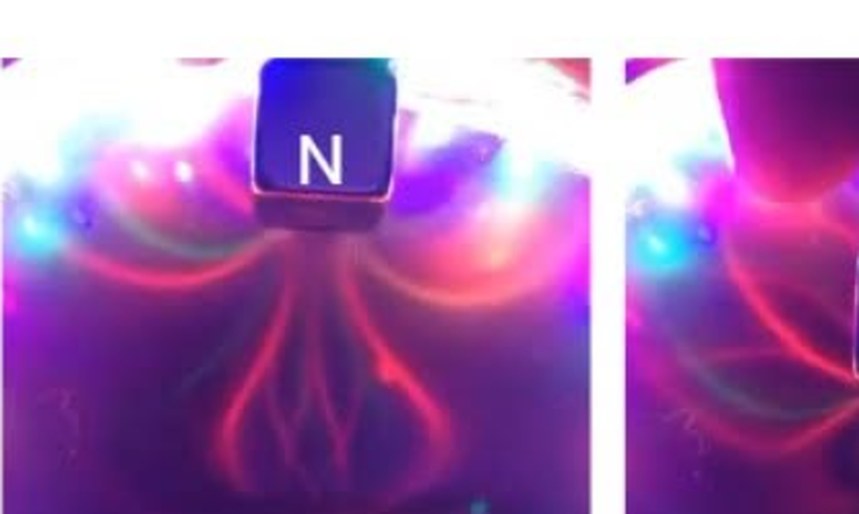
Why the field lines, what exactly are they? What is a magnet? What causes 2 objects to repel or attract?
Read →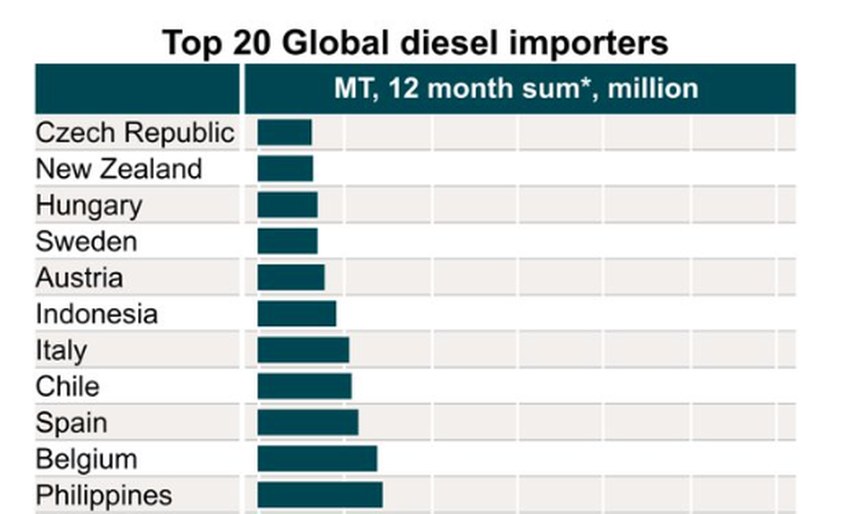
I keep banging this drum, but Australia’s #1 national security risk is its transport fuel imports and reserves. The charts attached should alarm you.
Read →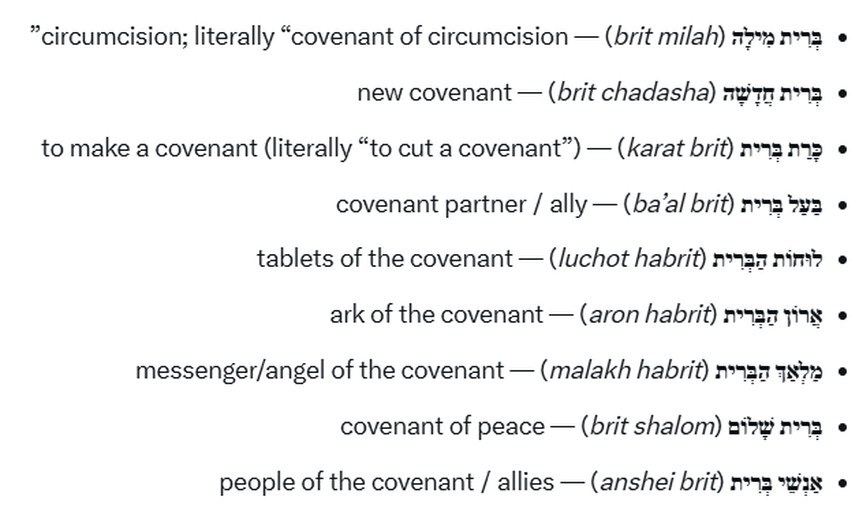
Brett is my given name, Boh my “born again” name. So what do I introduce myself as?
Read →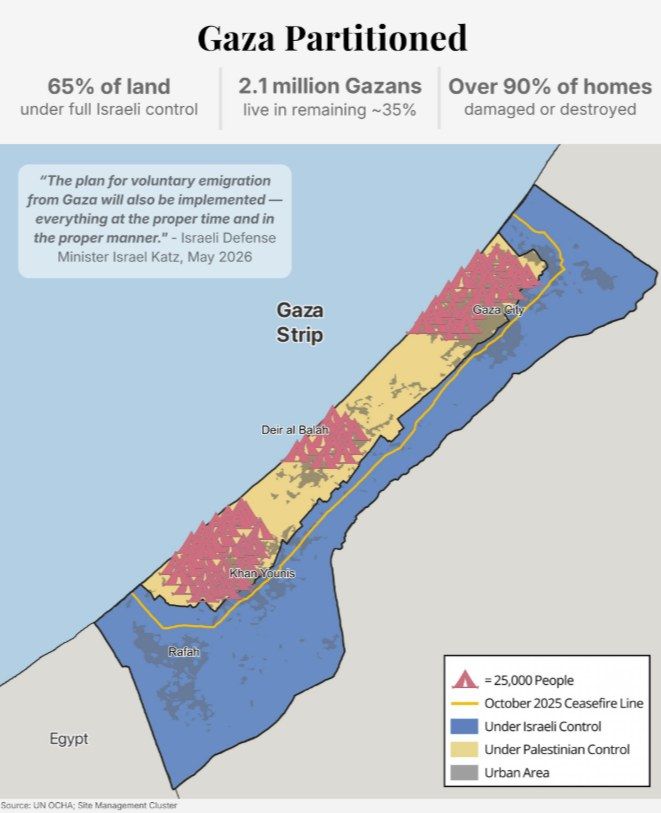
Three recent maps with the data checked against OCHA, Peace Now and HRW — and the map of roads, checkpoints and barriers that already exists.
Read →
What we know of the past is scattered and nothing links it together. A global register of texts, artefacts and ancient constructions, searchable by time and place.
Read →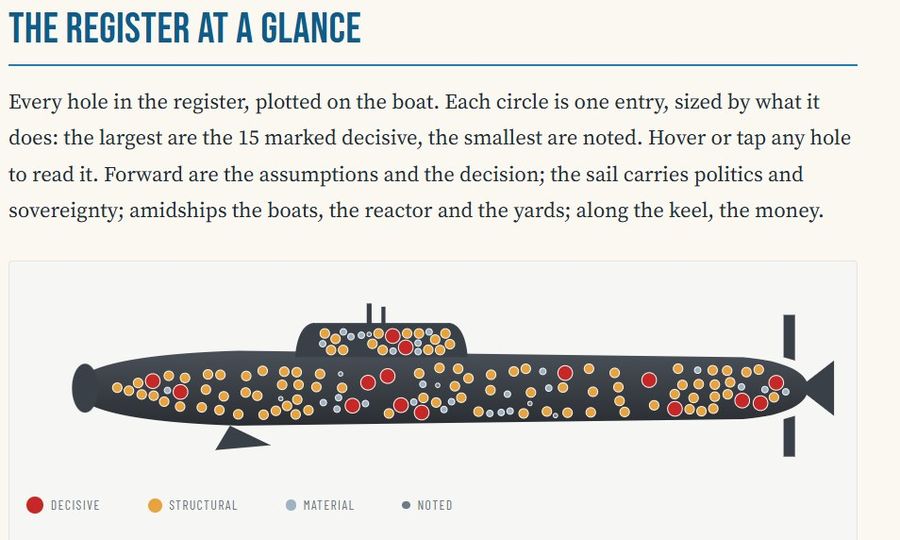
AUKUS turns five and the hole register keeps growing. How much further before someone in power says stop?
Read →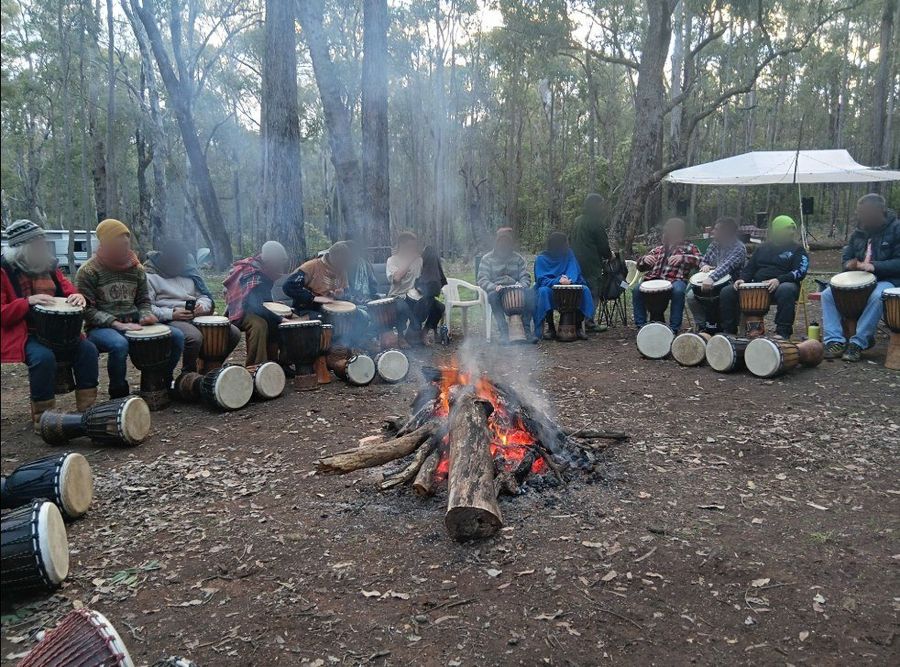
Fifty men, a weekend in the bush, and the kind of connection that is getting harder to find.
Read →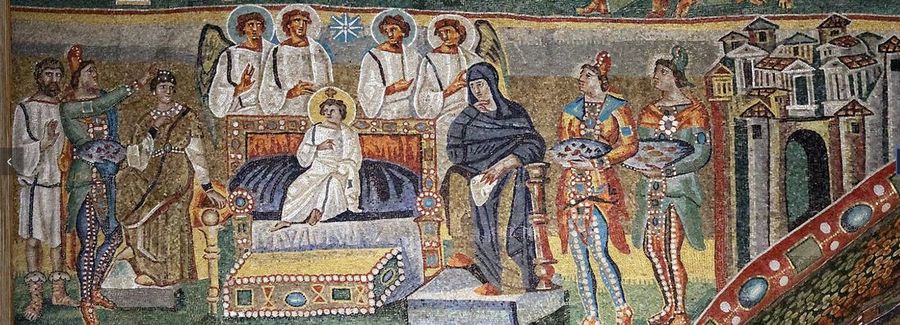
Santa Maria Maggiore, the Theotokos defined at Ephesus, and the grove of Juno Lucina that stood on the same Roman hill before it.
Read →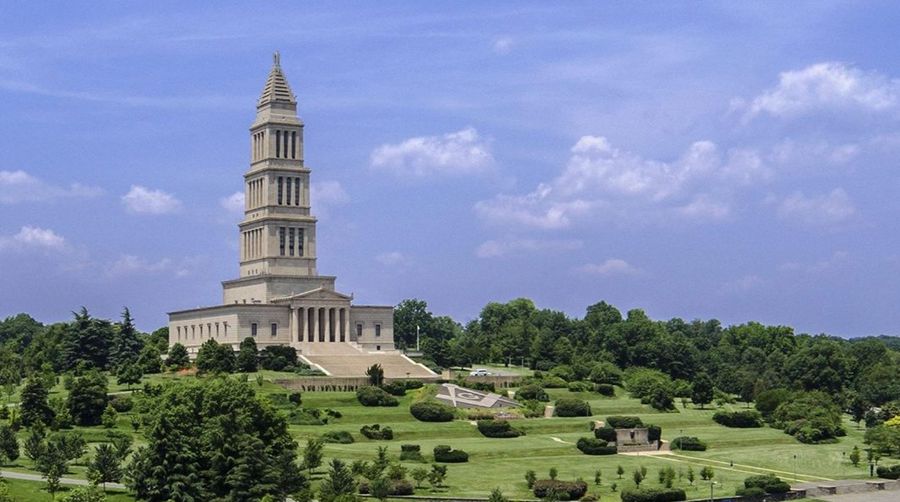
The Masons built a replica of the Pharos of Alexandria on a hill outside Washington. The original, and what became of it.
Read →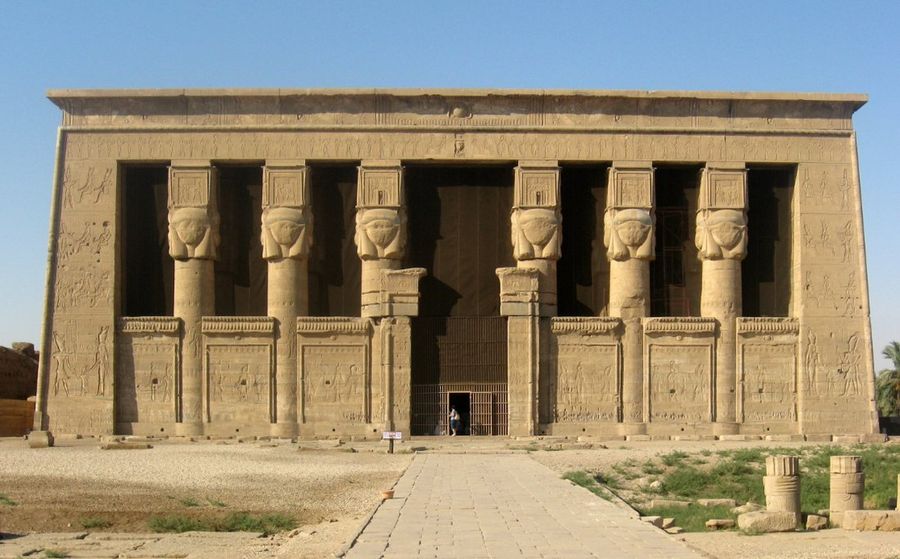
Nineteen rulers, 293 years, and the reason we can read ancient Egypt at all — both keys to the script are their tax documents.
Read →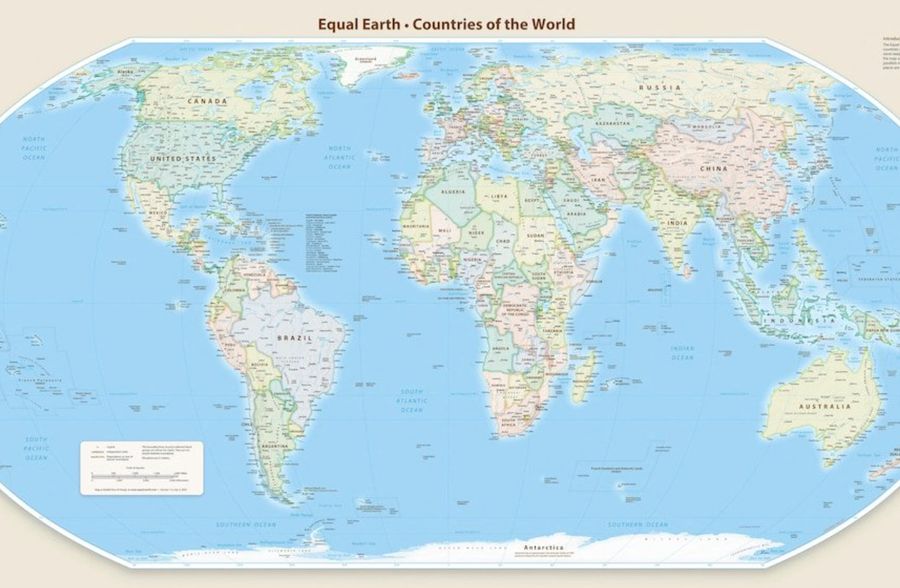
Did you know Africa was this big? The UN vote on the Equal Earth map, and the side of the planet that is all ocean.
Read →
Hole 23: the catapult troubles on the US carrier programme, and the yard that is also meant to build Australia’s submarines.
Read →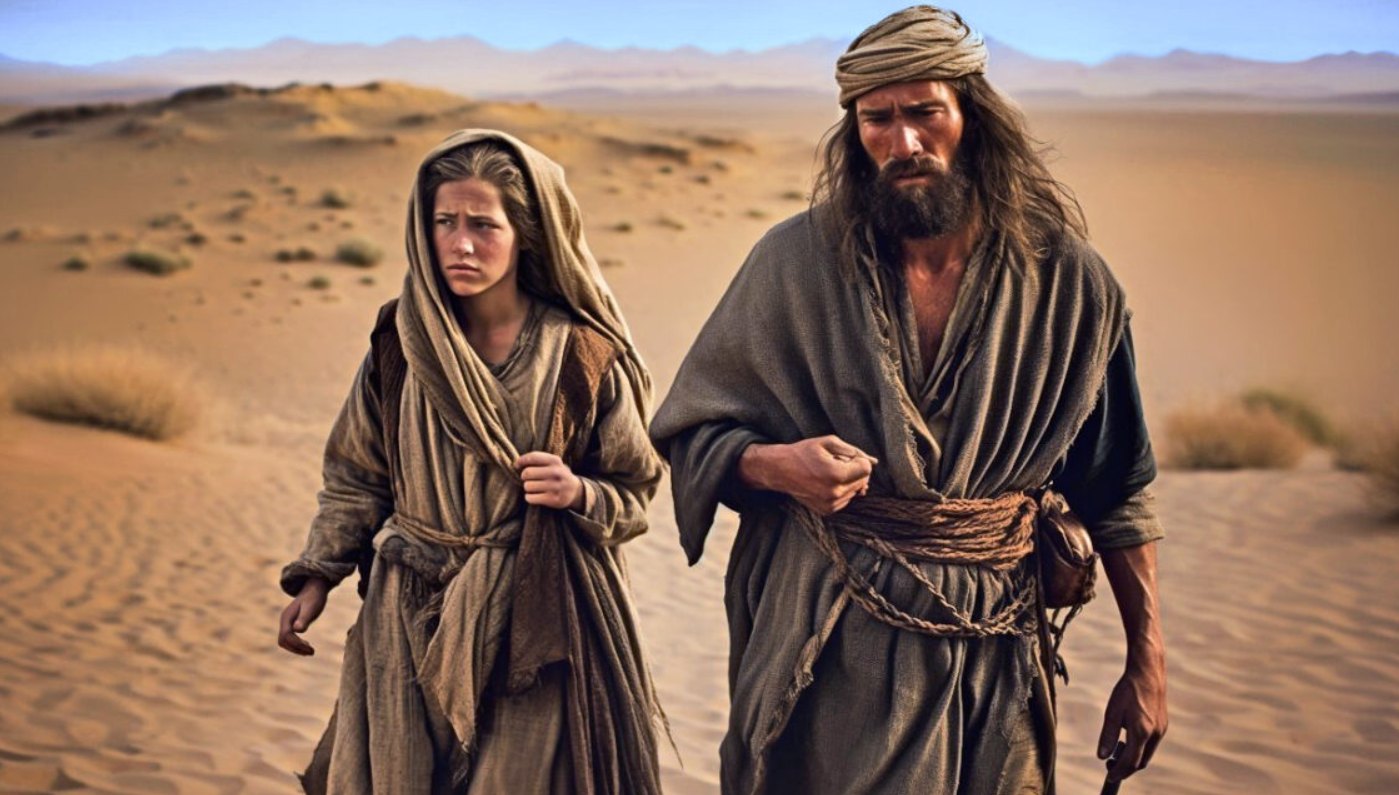
AI as a research tool, the Morals Mark memos, and what going back to the oldest texts turned up in Genesis 16:12.
Read →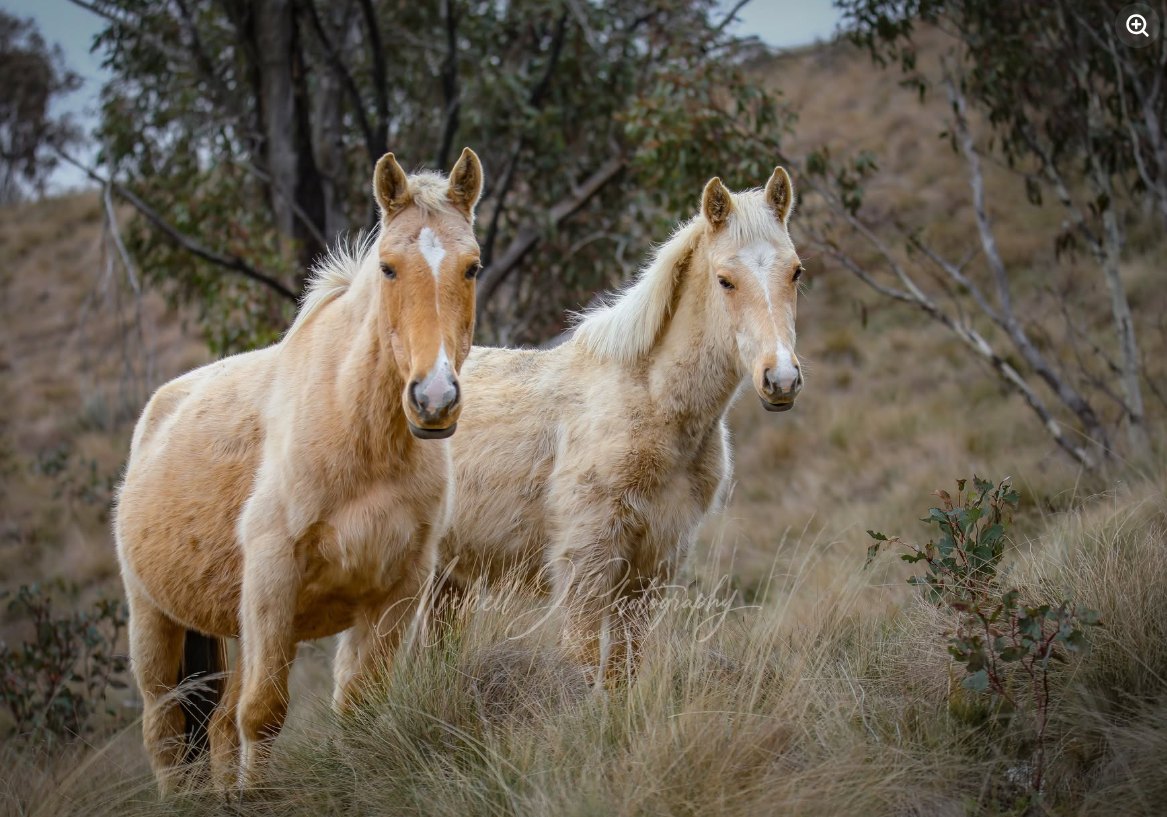
Australians working together to stop the cull — and what 10,012 removals from Kosciuszko actually looks like.
Read →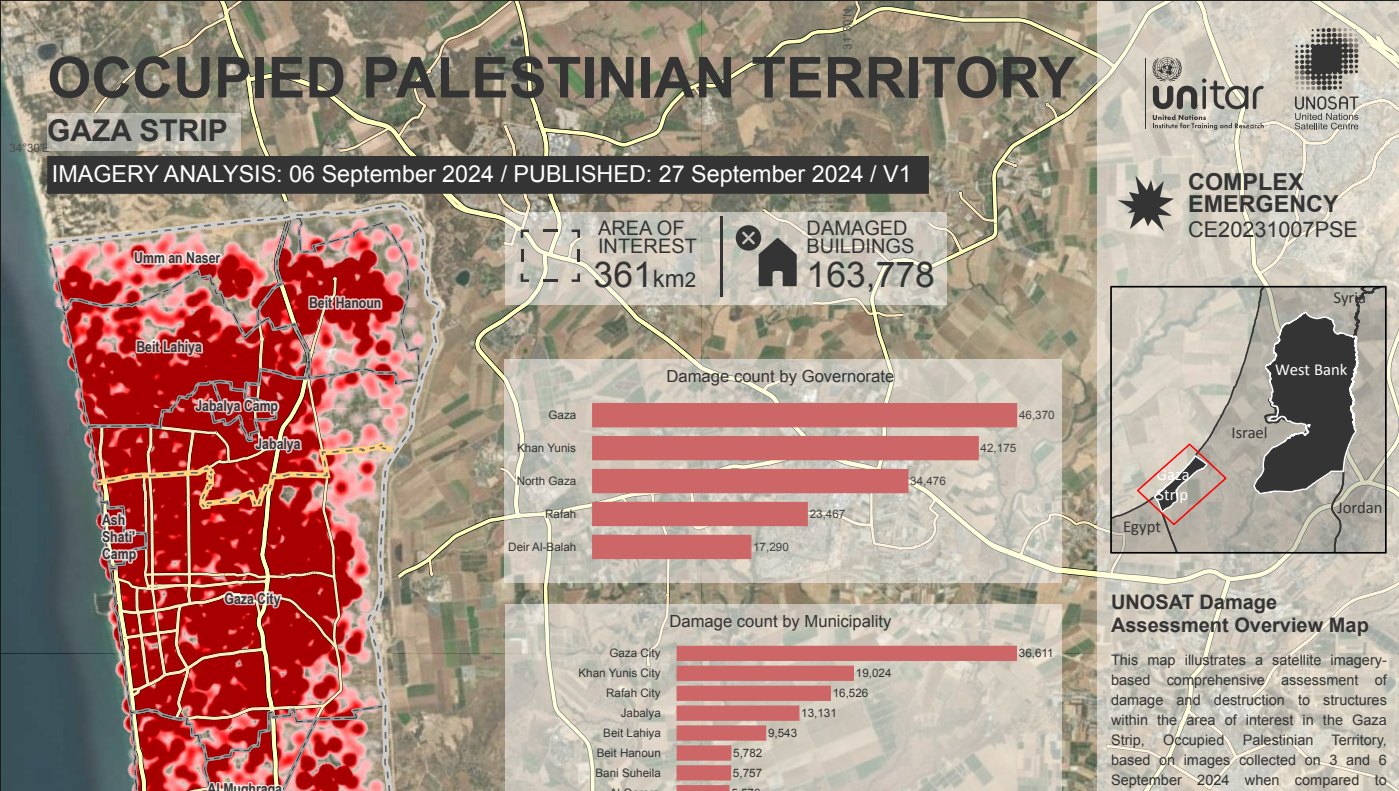
The UN satellite record of the destruction in Gaza, the West Bank figures, and why speaking up is the job.
Read →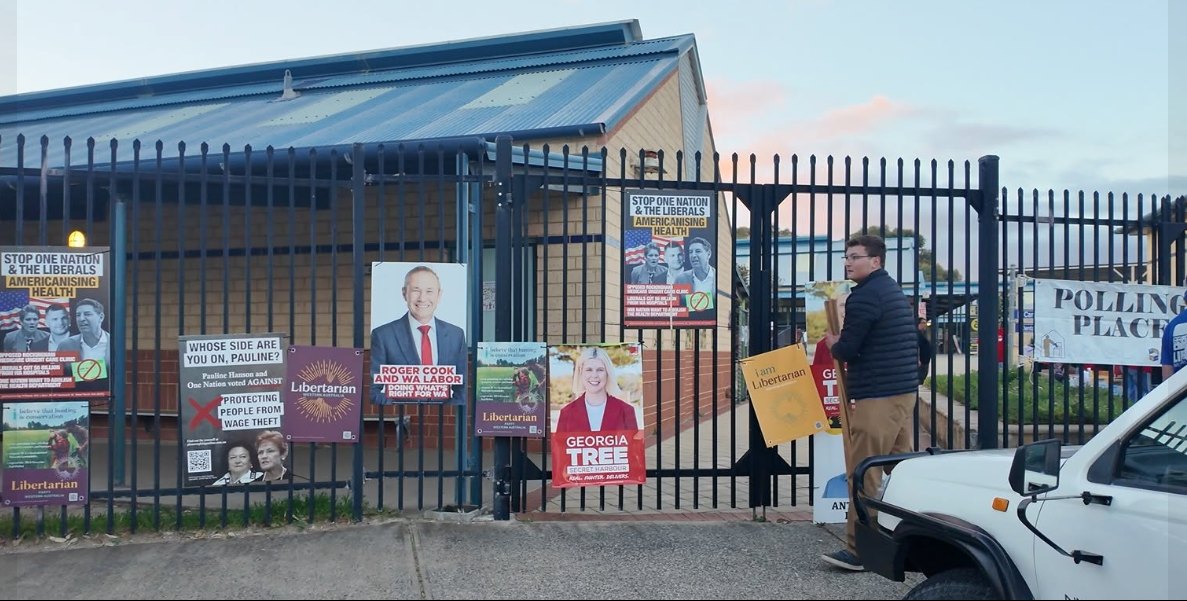
Polling day at Secret Harbour, what pre-poll taught me about the art of vote-getting, and the One Nation result.
Read →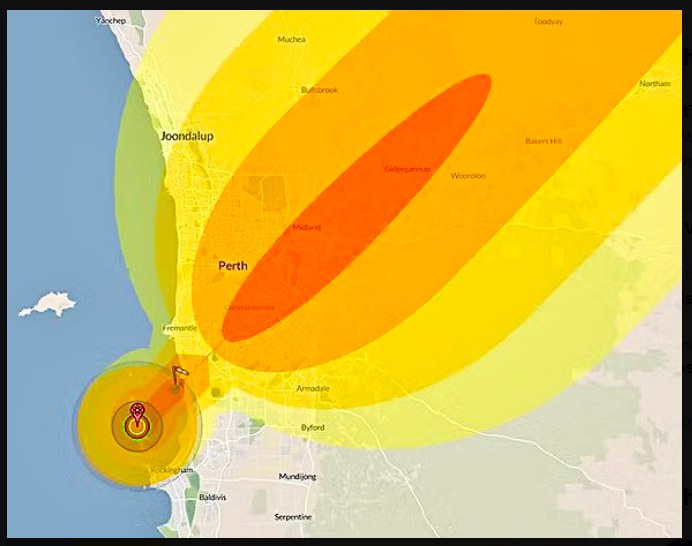
Five allied nuclear submarines on Perth’s doorstep from 2027. Were the Australian people ever asked?
Read →
Four Corners on AUKUS. Watch it with a pen and count the holes in the submarine plan.
Read →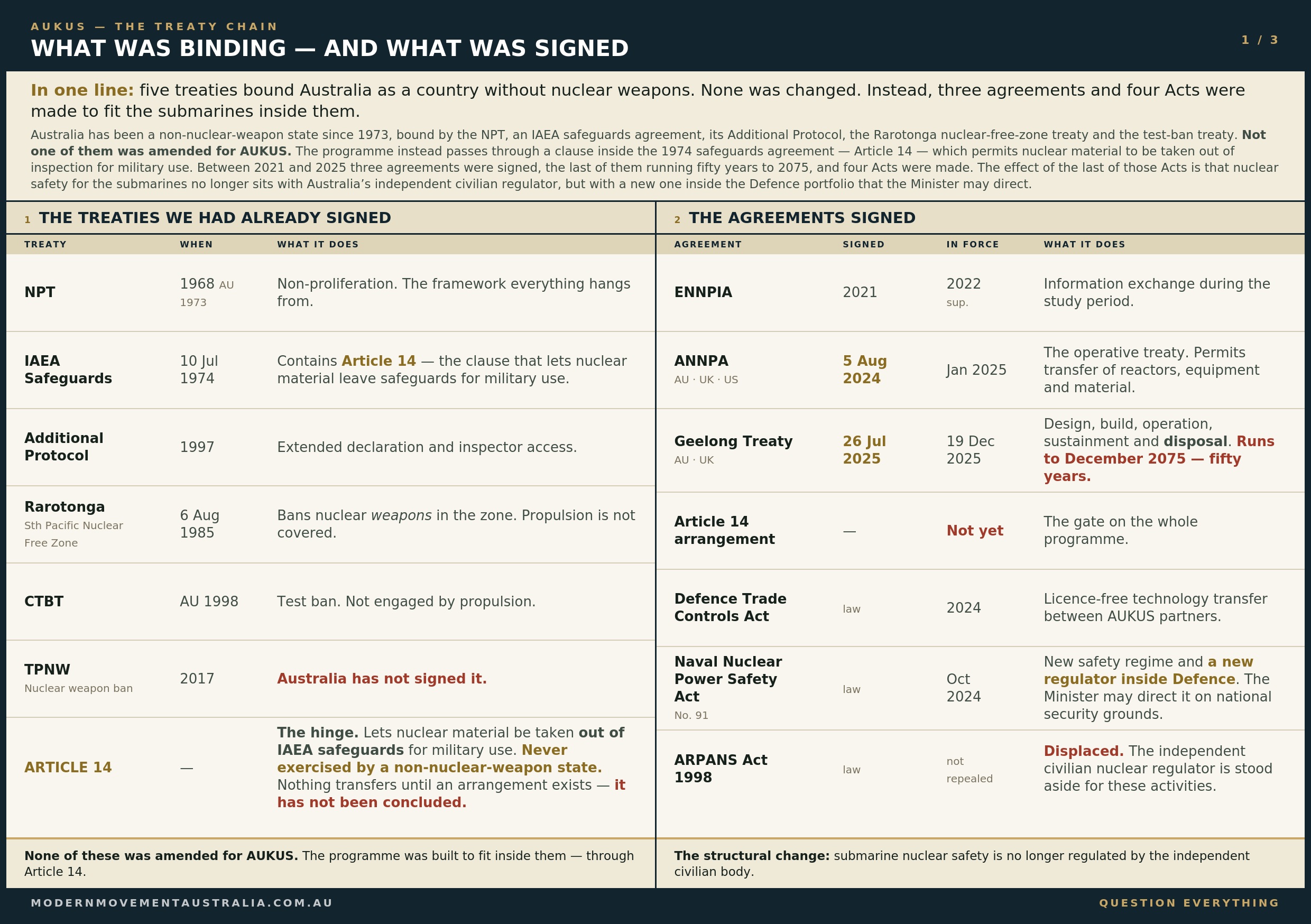
The treaty chain behind AUKUS, the legislation that was quietly changed, and the questions Australians were never asked.
Read →
Thank you for bringing so much light into this world. Dolly Parton, 1946–2026.
Read →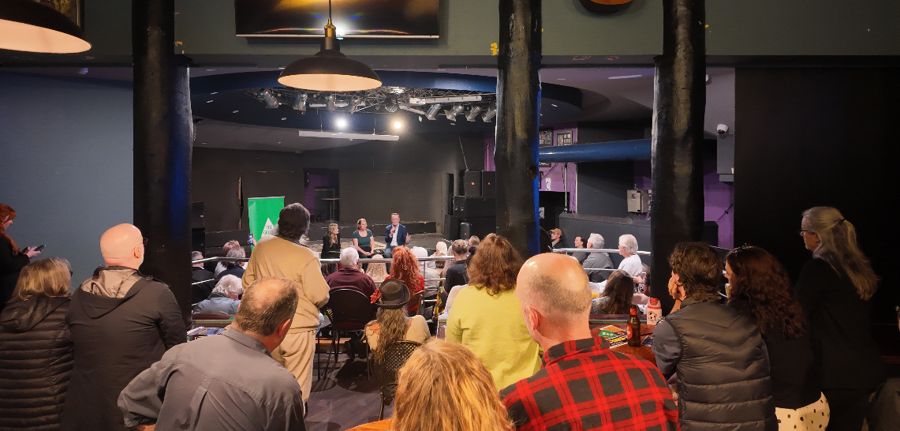
A full room in Rockingham, the Echidna strategy, and a former foreign minister calling Pillar I one of the worst decisions this country has made.
Read →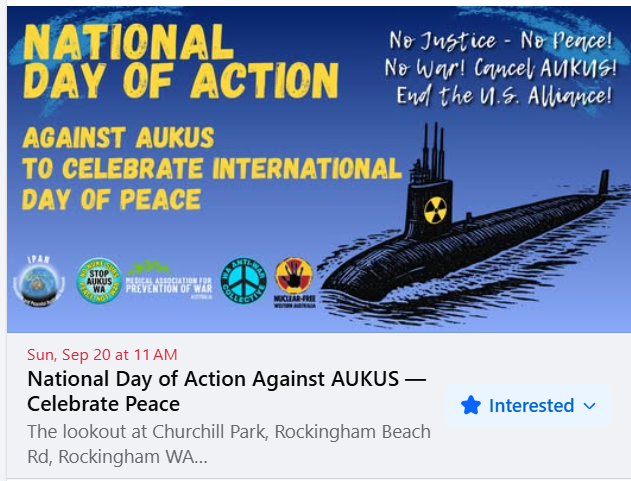
National Day of Action Against AUKUS — Churchill Park, Rockingham, Sunday 20 September. Your voice matters.
Read →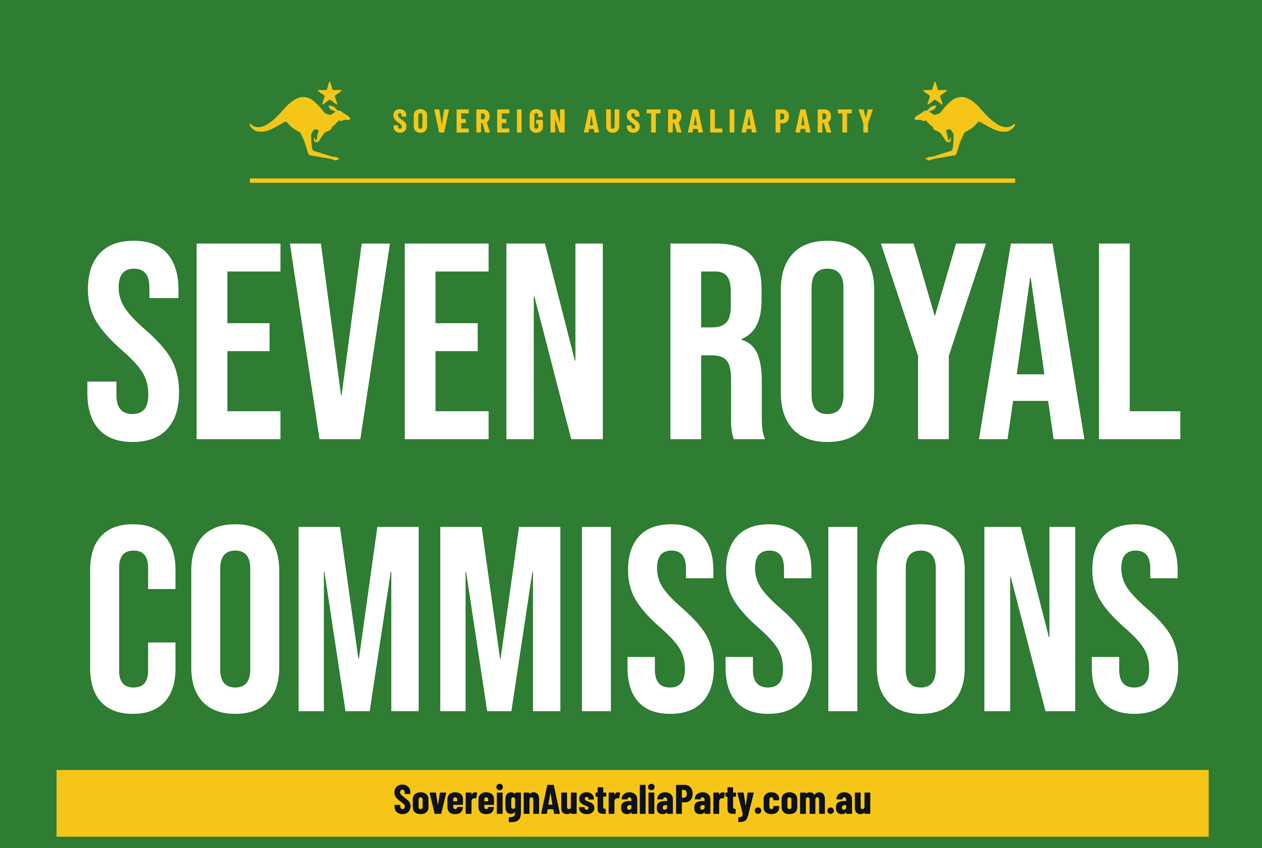
The Sunlight Agenda in one post: COVID-19, media, lobbying, family law, Indigenous royalties, local government, FOI.
Read →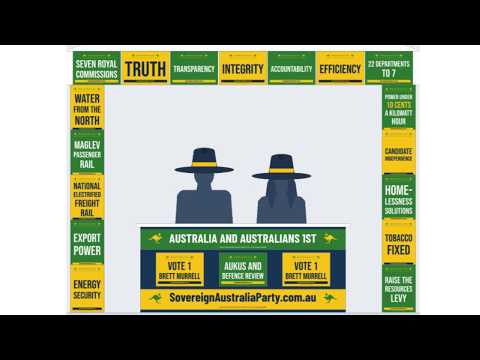
Sound bites with the three majors — and the thirteen other candidates who were not asked a question. That in itself is a story.
Read →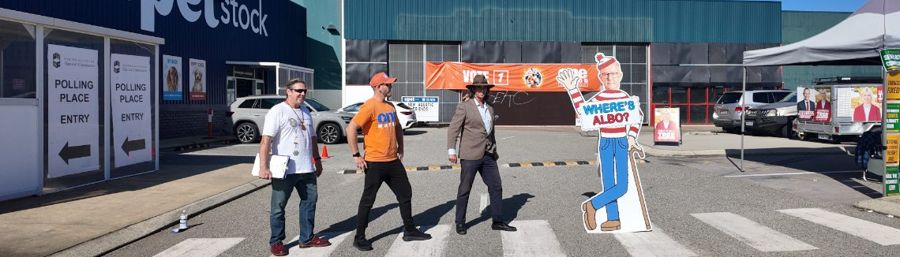
The PM was in Perth but not at the booth. The state Liberals printed a cut-out and called the media. Four candidates recreated Abbey Road instead.
Read →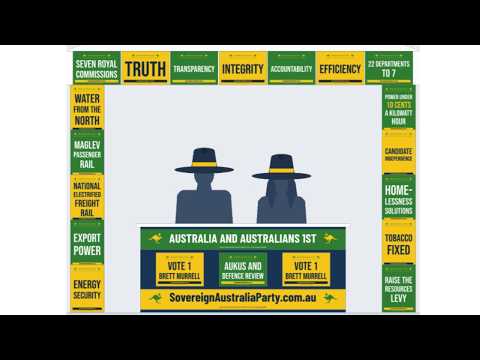
The first radio interview drops. Pre-polling starts again, and sixteen candidates share one car park.
Read →
The Western dream usually means fewer people around. More time in your own thoughts, and your mind runs. Say hi to a stranger today.
Read →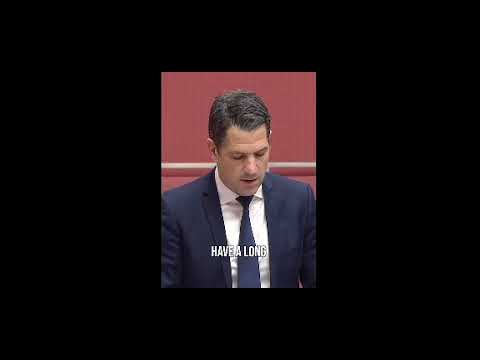
Compulsory questioning, restricted legal representation, and prison for telling anyone it happened.
Read →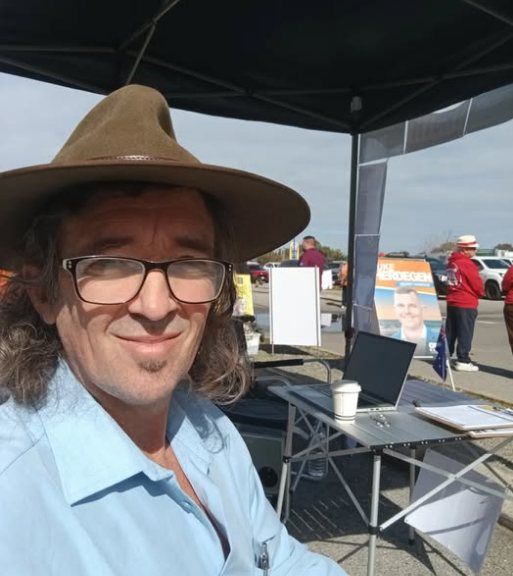
Working class electorate, small businesses, hands-on people. They have had enough of not being listened to.
Read →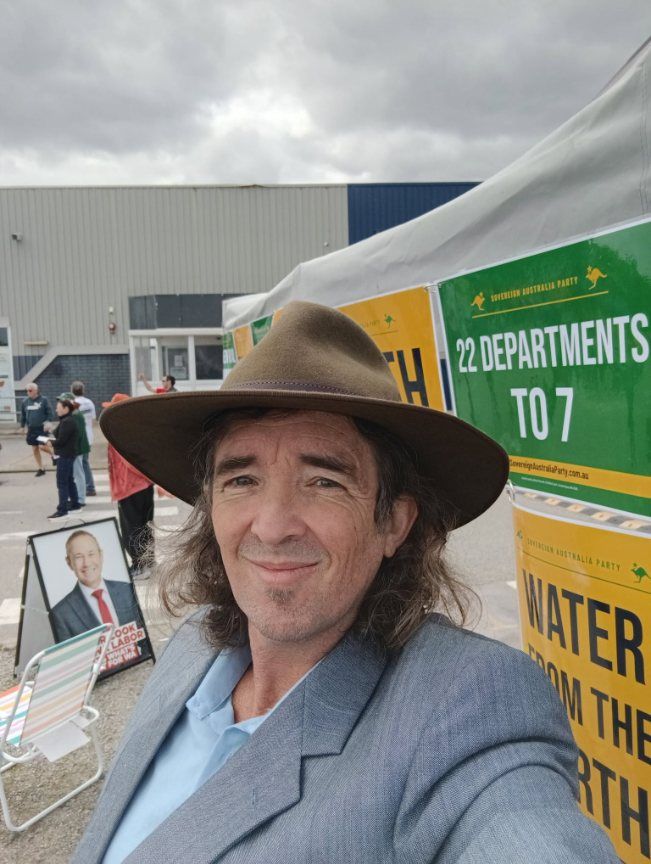
The signs go up at pre-poll — 22 departments to 7, water from the north — and an open invitation: come down and talk policy.
Read →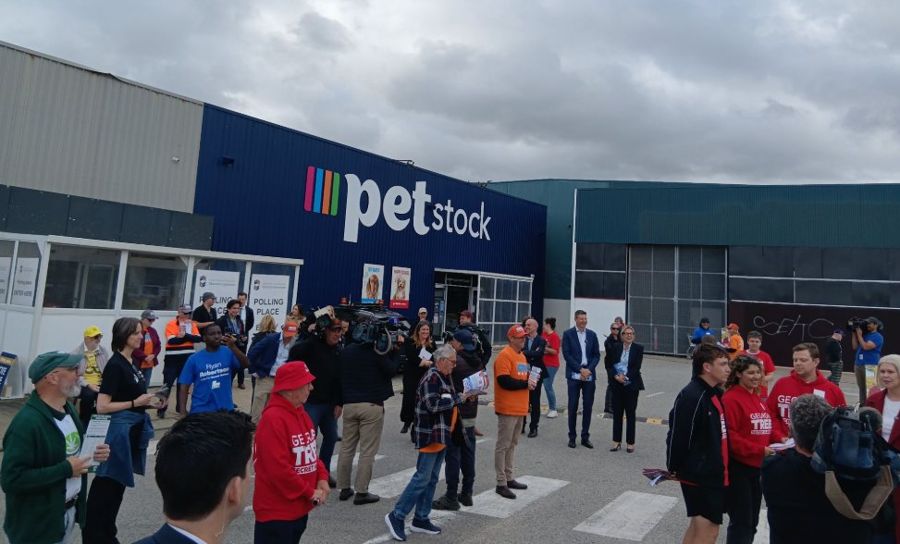
First day at a pre-poll booth. Fourteen candidates, one decision on preferences, and the view that we are not enemies.
Read →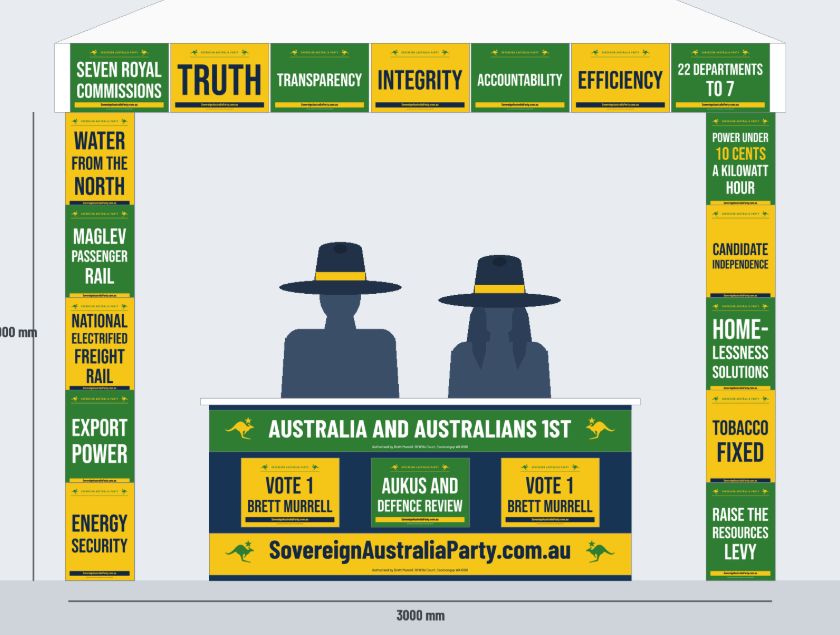
The booth design for Secret Harbour — the whole platform, one sign at a time. Jelly beans, good tunes, and eleven days of pre-poll.
Read →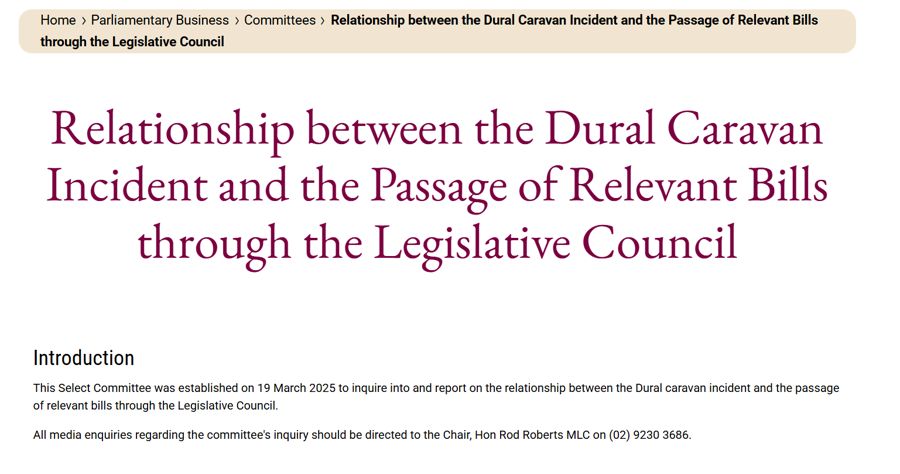
A criminal set-up presented as terrorism, three bills passed in its shadow, and a select committee that still has not reported.
Read →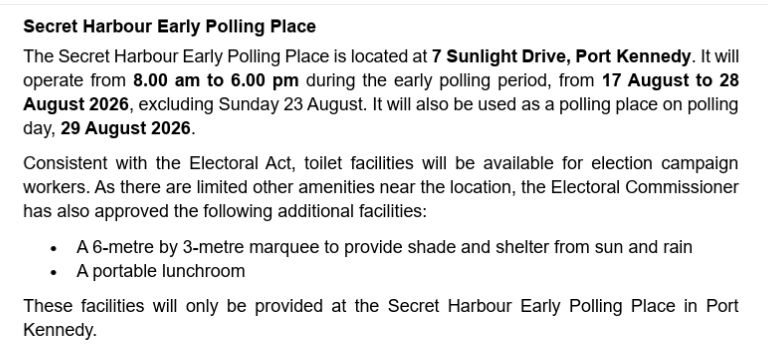
Pre-polling opens at Port Kennedy. Sixteen candidates and their volunteers in one car park for two weeks.
Read →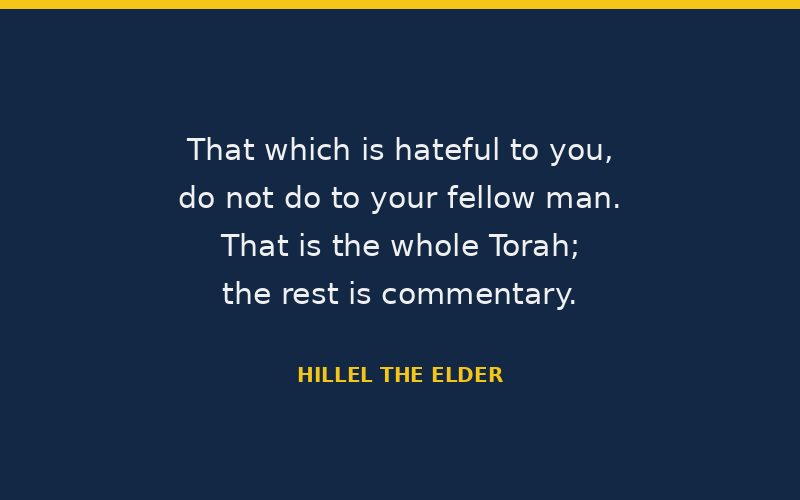
The barometer for knowing a person. Unity is the path to peace — and a postscript admitting my own frustration was dividing too.
Read →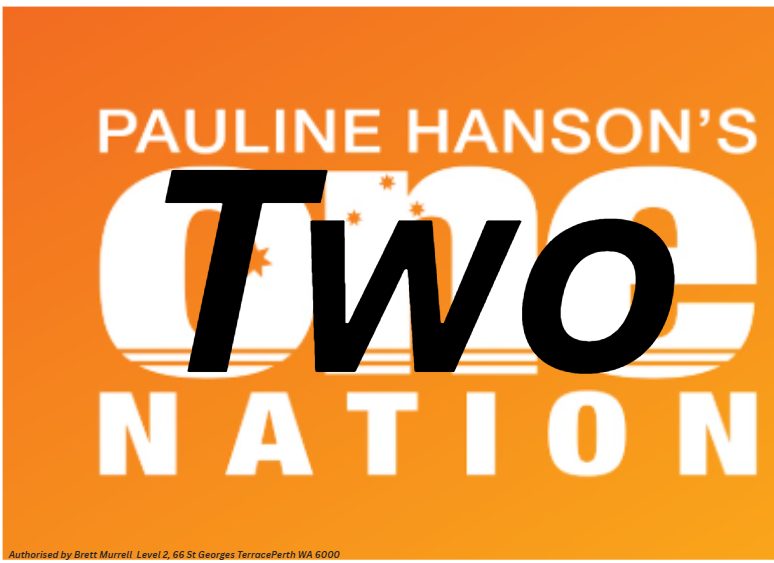
Three parties, one unanswered question. If the alternative will not say where it stands, it is not much of an alternative.
Read →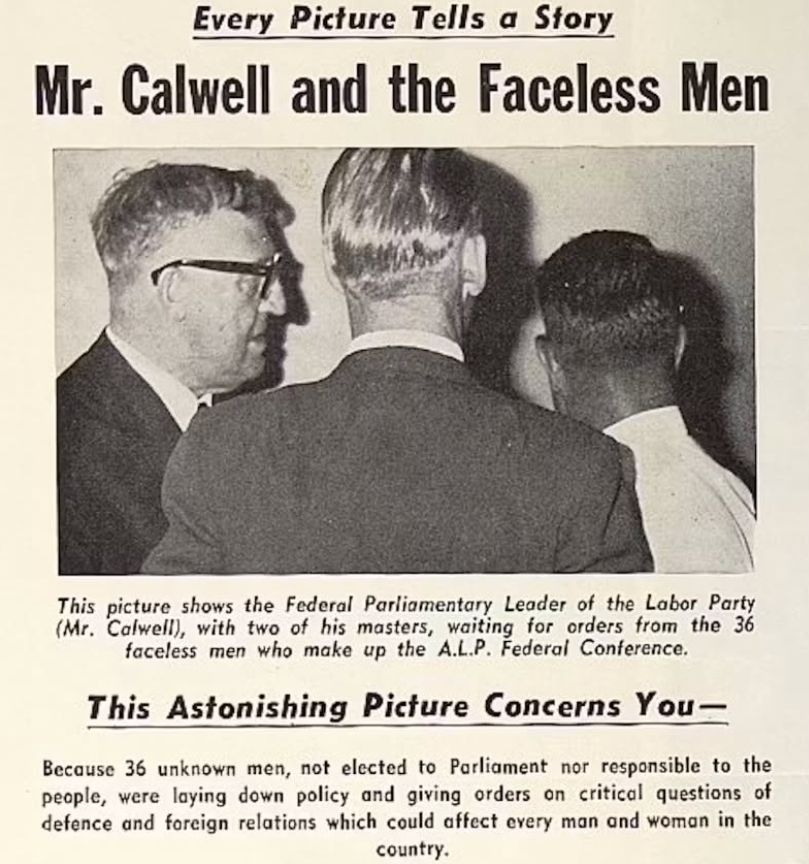
A candidate turned up for his radio interview and was pulled by his own party. Sixty-three years on, the faceless men argument has not changed.
Read →
Made it into The West by accident, walking into the shops. The tri-party showdown — and the Castle Defence memo drops.
Read →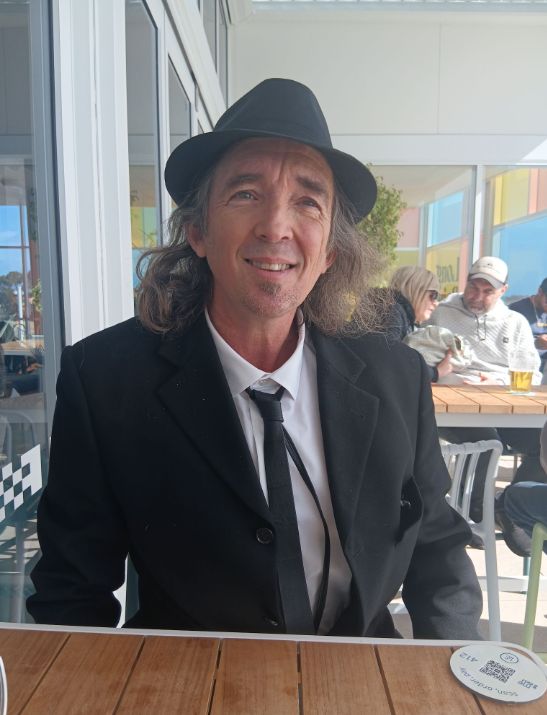
Why the shift to One Nation happened, why it worries me, and the eight-category breakdown showing all three lined up on the same foreign policy.
Read →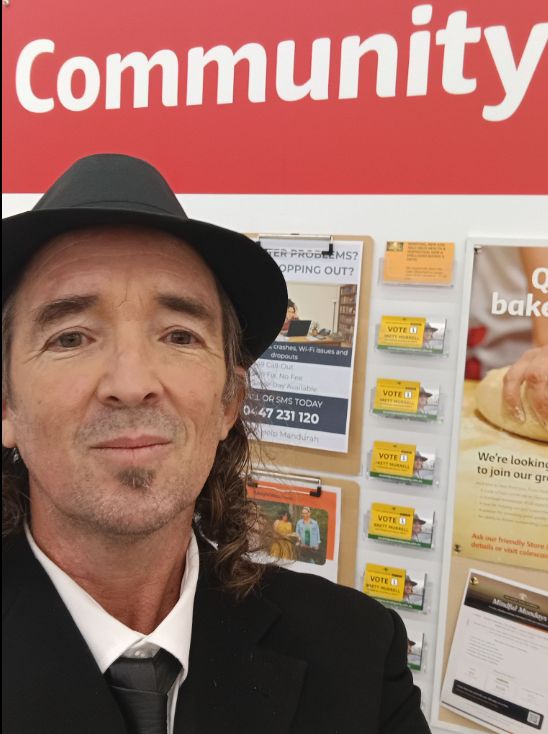
Cards go up around town, next door to Garden Island. 2,300 Americans by 2030, a US Navy unit on the base, and nobody was asked.
Read →
Four years of travel, and Australians have stopped talking to strangers. One stranger in four years offered me a bed. We were once the hitchhiking capital of the world.
Read →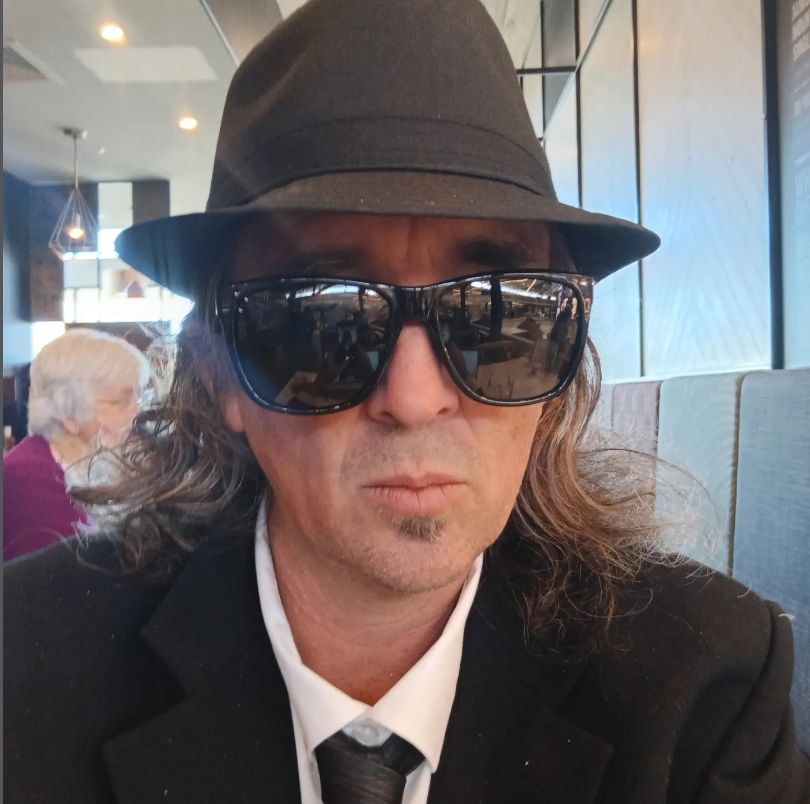
Infrastructure or weapons. Export power, water and compute from the desert — and the irony is the infrastructure defends us better than the weapons.
Read →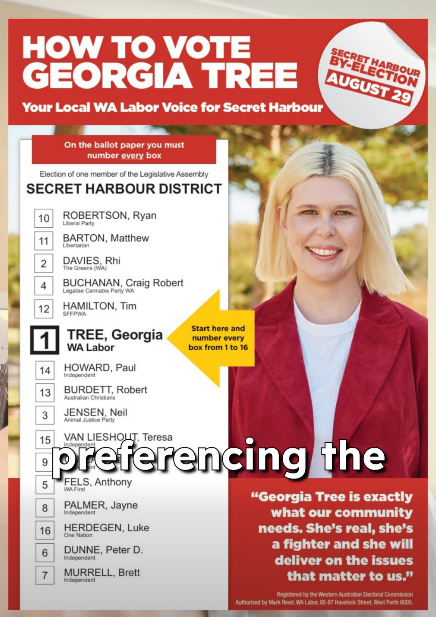
Sixteen candidates — the largest field in history. Ballot position 16, and number 7 on Labor’s preferences.
Read →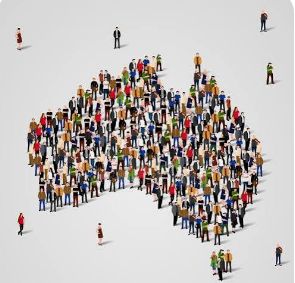
Division is the first sign of a failing nation. The job of government is to unify — reopen the past to heal it, not to stir it.
Read →
Bowel cancer in the young, dementia, autism. Test the food, the water and the medicine — prevent the illness instead of paying for it forever.
Read →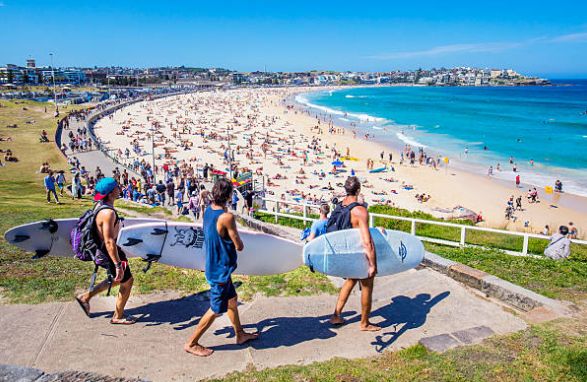
Suicide and overdose are the leading causes of death for working-age Australians. One in thirty deaths. And government stays close to silent.
Read →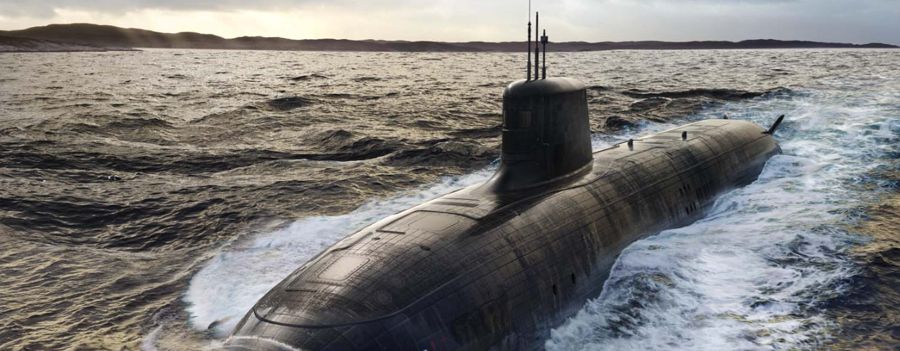
Retirees do not like Pauline, tradies do. Labor is handing out gifts. And all three land in the same place on the questions that set the direction.
Read →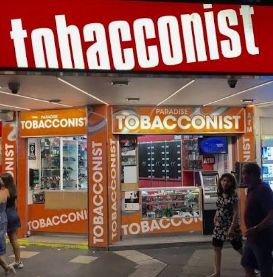
A billion-dollar illegal trade that our own legislation created. Not another ban — regulate it, tax it, and let Australian growers in.
Read →
An order granted without the accused being told, permanent after 21 days with no hearing. WA holds the Royal Commission power and has never used it here.
Read →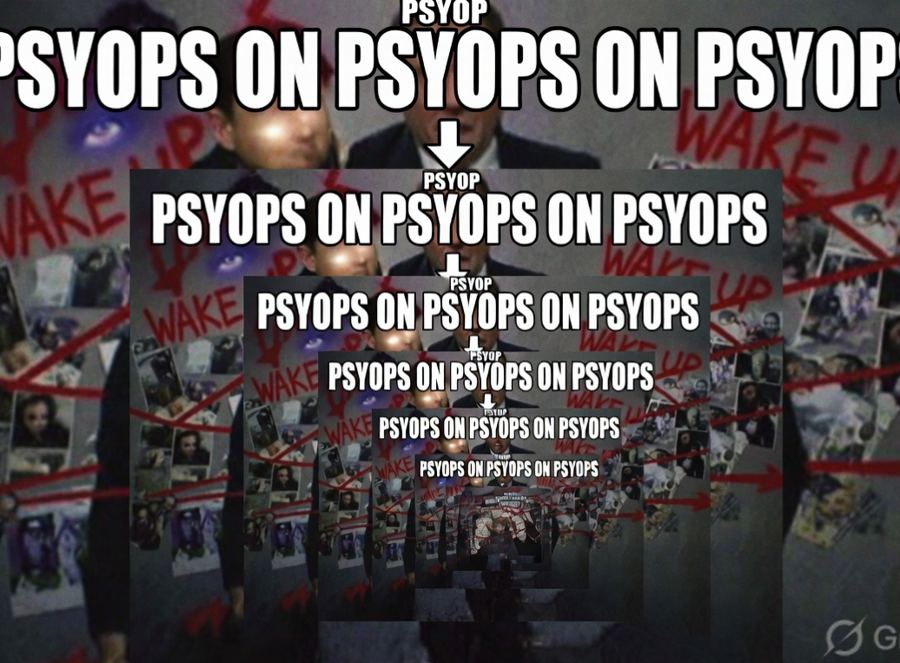
Your beliefs have been fought over since you were a child. Understanding that is the first step. Questioning all of it is the second.
Read →
The ban pushed kids off a controlled web and onto the adult one. Prohibition never removes demand — it just moves it somewhere nobody can see.
Read →
Labor swept it under the carpet. From the Liberals, crickets. Our position is published, issue by issue, beside everyone else’s.
Read →
Eight years building a community on a farm, and what the zoning rules taught me. Retirement villages, mine camps and prisons all do it — but try it yourself.
Read →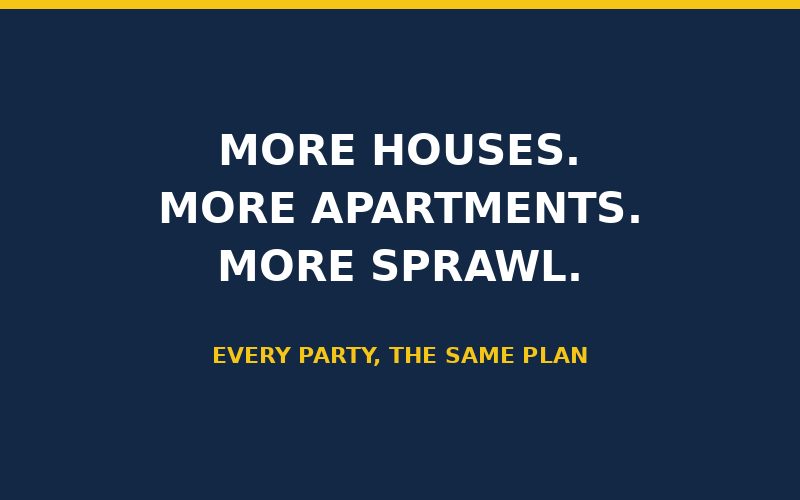
Billions thrown at housing, and every party repeats the same plan. Bandaids over problems, and vote-collecting policy rather than fixes.
Read →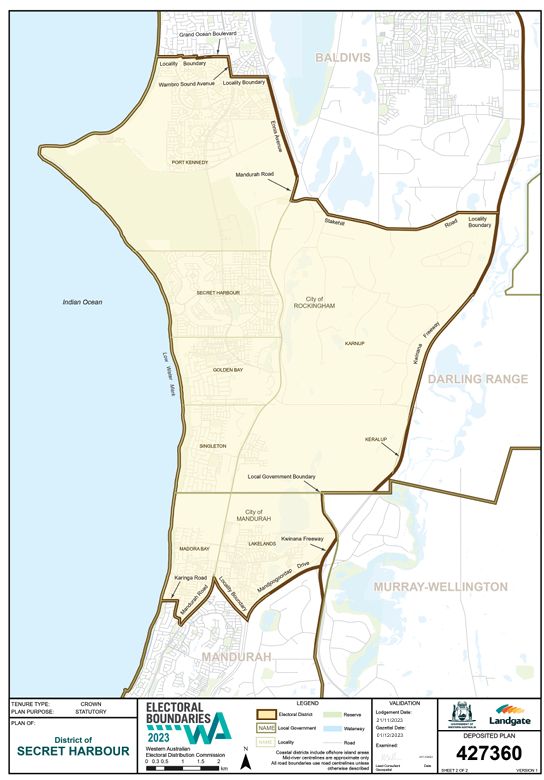
32,000 people, one electorate. Fifteen issues split across local, state and national — and a question back to the people who live here.
Read →
Get the attention, then give the winning impression. That is the whole campaign — now to work out how.
Read →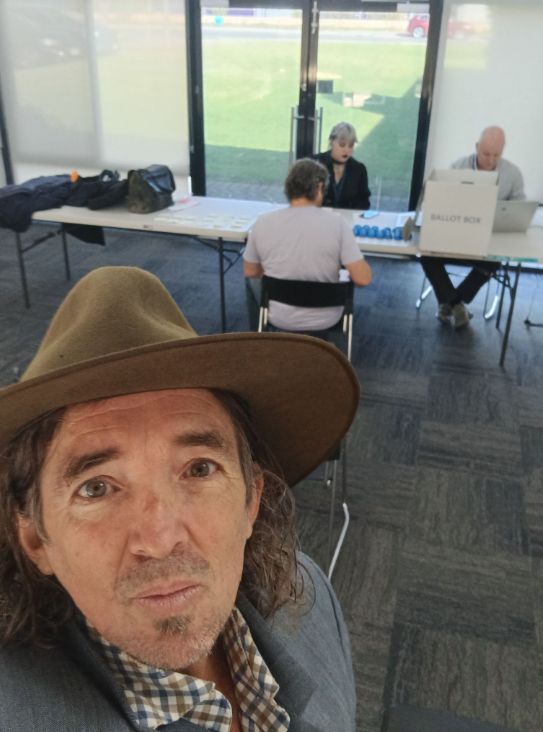
Back in the West in time to register. Running as an independent, because the party is not yet registered. Four weeks to go.
Read →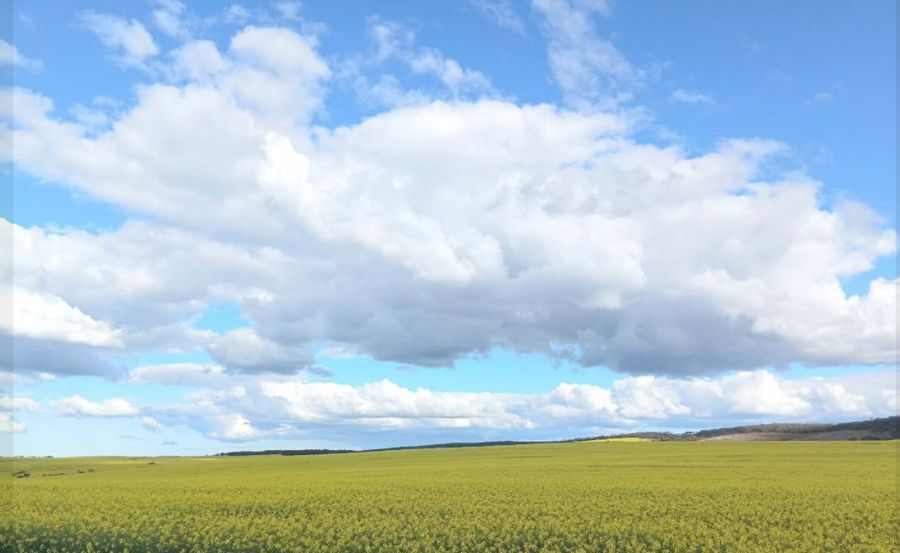
We grow it and ship it to Europe. Process it where it grows and it offsets ten per cent of the diesel we import.
Read →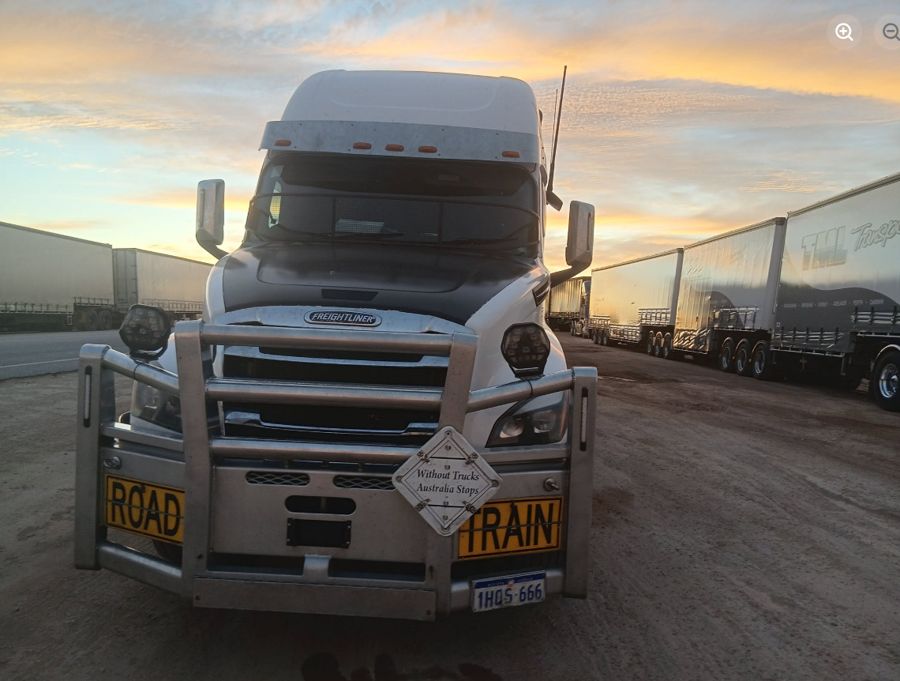
Without diesel the trucks stop. Everything else we argue about assumes those wheels keep turning — and nobody treats it as the first priority.
Read →
Three parties, one foreign policy. AUASIA instead of AUKUS — and truth, integrity and accountability back in politics.
Read →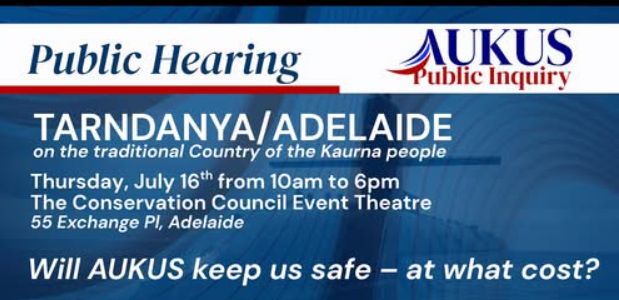
An island nation is a castle. Submarines do not open sea lanes, they close them. The only real defence is what is inside the walls.
Read →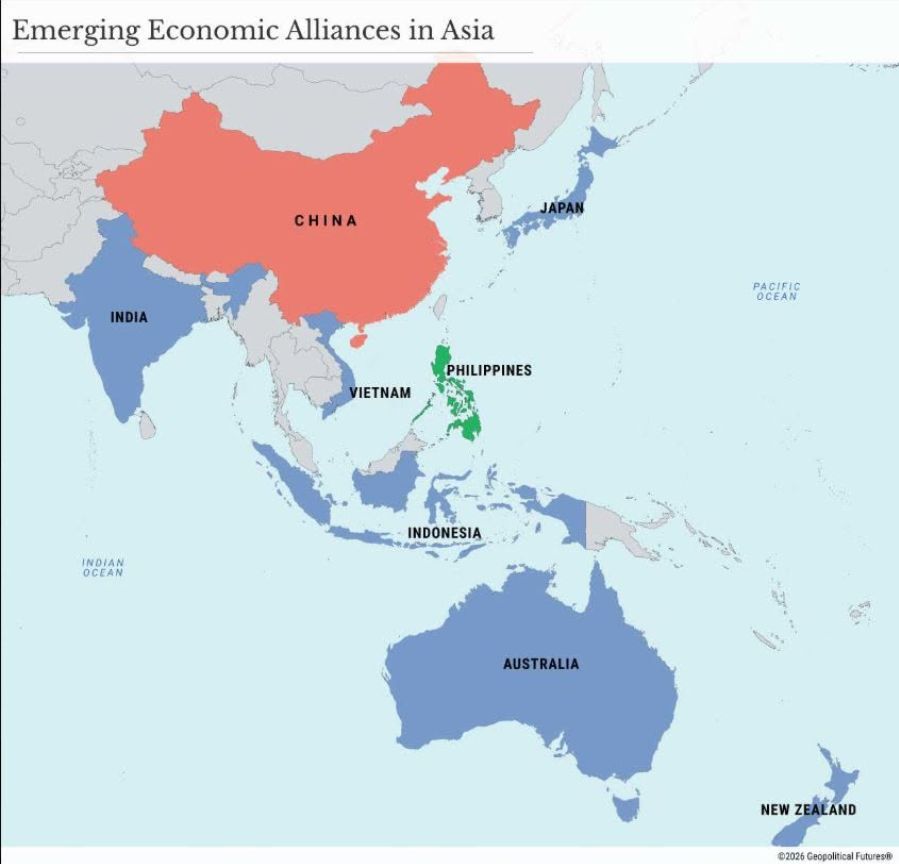
Most of what our government does makes sense as positioning against our largest trading partner. The South China Sea is where a regional war starts — or where it is prevented.
Read →
My sister Clare’s birthday — and the party becomes the Sovereign Australia Party. Truth, Integrity and Accountability; Australians and Australia first.
Read →
A tribunal called them rocks, and that changes who owns the water. Six nations, big boats and guns — and ten years of nobody agreeing.
Read →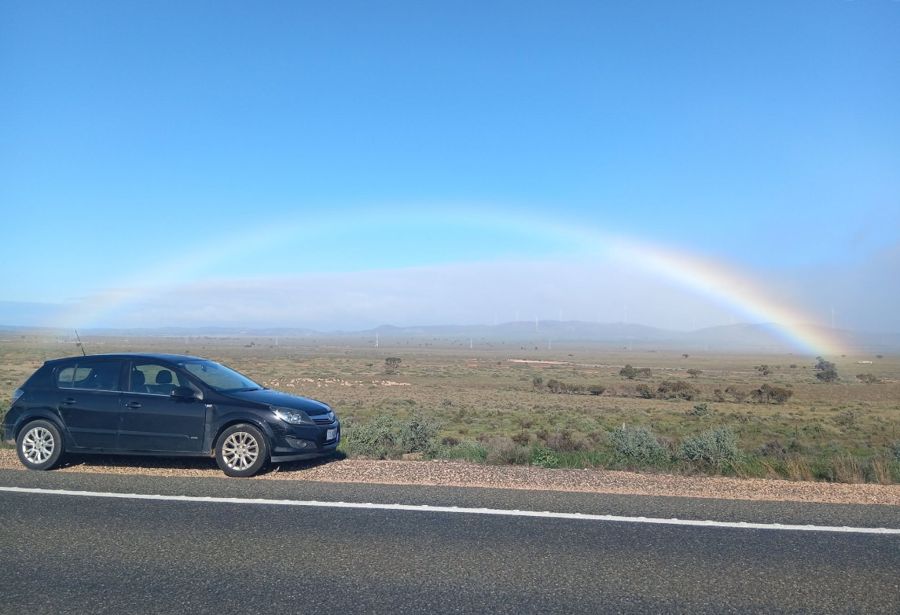
You forget how big this country is until you drive across it. Green country, crops in, and a rainbow with no rain cloud anywhere.
Read →
Brumbies at Jindabyne, and a question: before you argue about an ideology, do you understand the structure of power underneath it?
Read →
A wall of Pacific treaties built to lock out our largest trading partner — most carrying a clause giving Canberra a say over who else the partner can deal with.
Read →
I did consider it. But every one of them backs AUKUS, and none will ask where that alignment leads. A century of following others into war is enough.
Read →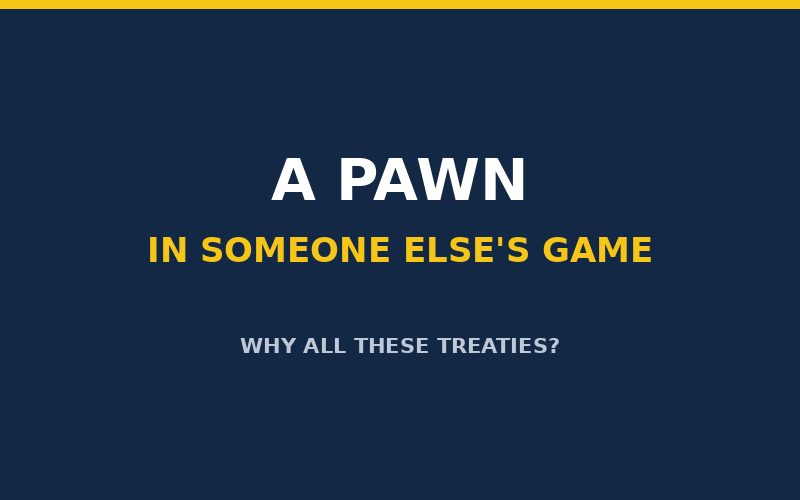
A country can be treated as an asset in someone else’s strategy without ever being asked whether it wants the job.
Read →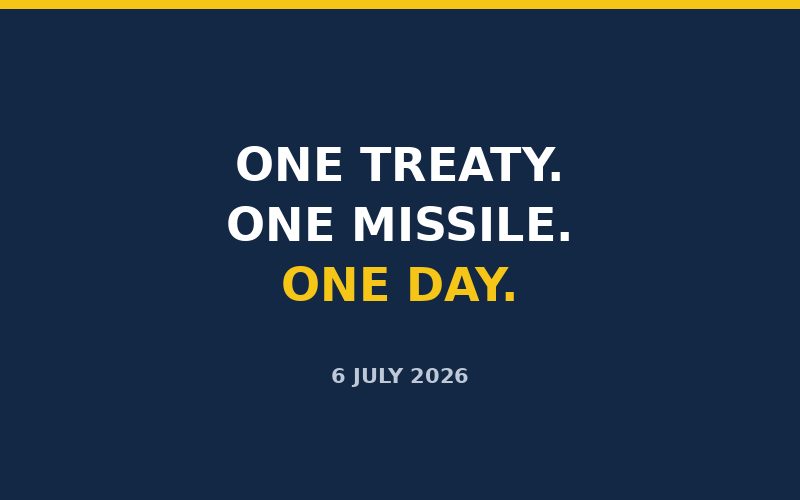
A mutual defence pact signed in Suva. A Chinese ballistic missile test the same day. Read them together and it is not a peace agreement.
Read →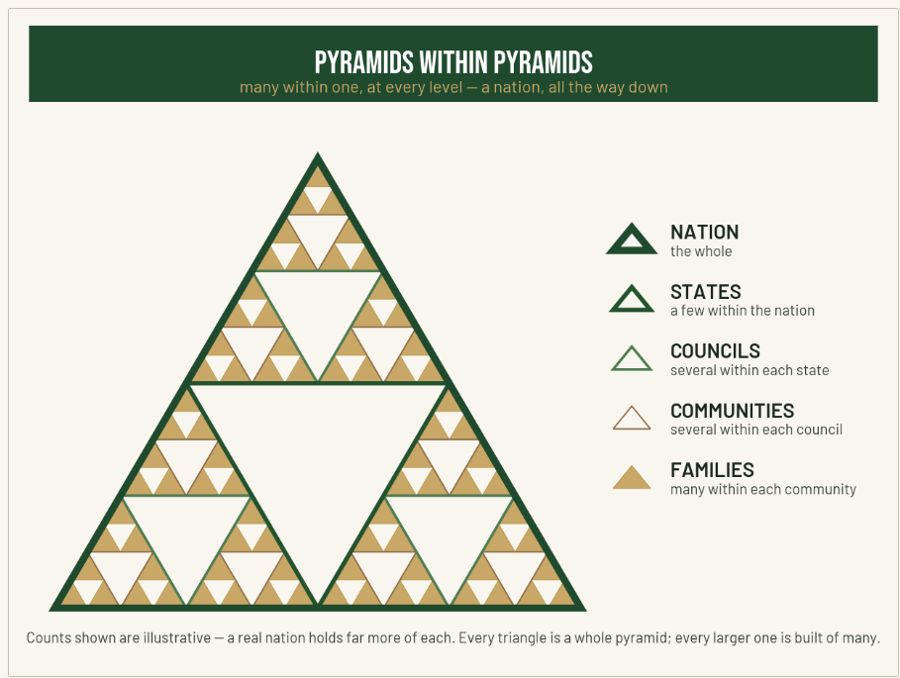
A nation is not one pyramid with a leader on top. It is pyramids within pyramids — and if the small ones are hollow, nothing above them stands.
Read →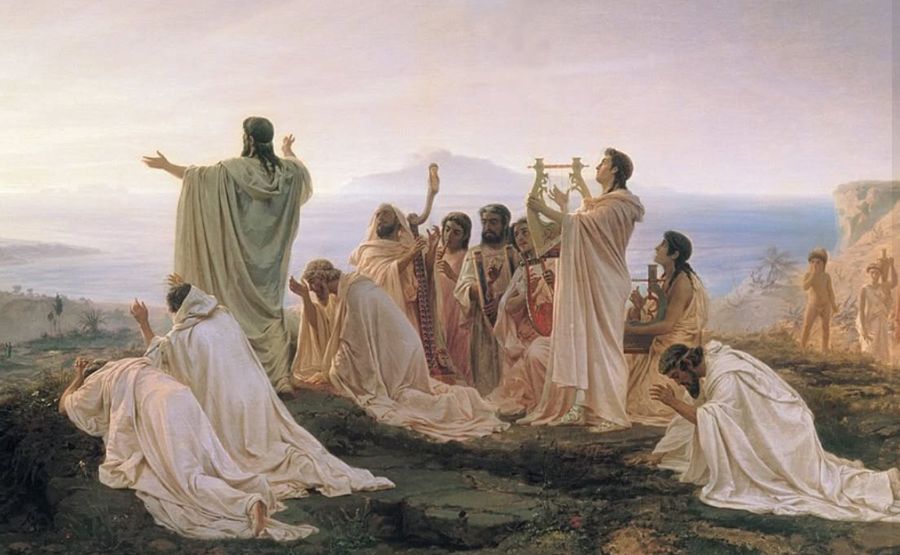
Seventy days in the Duat, then Sirius blinks on at dawn. The ancients set their calendar by it — and ours has drifted from the sky it was built on.
Read →
Even if the United States wins a war with China, Australia loses it. Submarines cannot answer a war decided by blockade rather than battle.
Read →
Three second-hand boats, five unbuilt, a yard that does not exist — and a question nobody answers: can eight submarines escort the tankers we need to eat?
Read →
Nobody in question time is rewarded for saying “that is a fair point, here is what we could do.” They are rewarded for the clip.
Read →
Go and watch question time in person. These people run the country — and for a long time nobody was watching them. Now we have the result.
Read →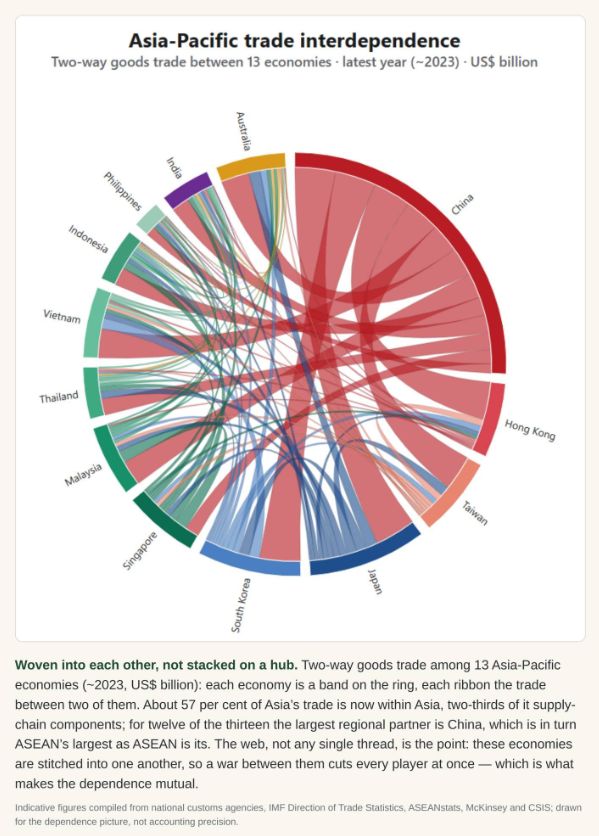
Once a war cannot be won, the logic of force collapses. Arming harder buys nothing a blockade cannot take away.
Read →
We were told the number. The real cost runs further than money — it is what we tie ourselves to, and what we give up to get it.
Read →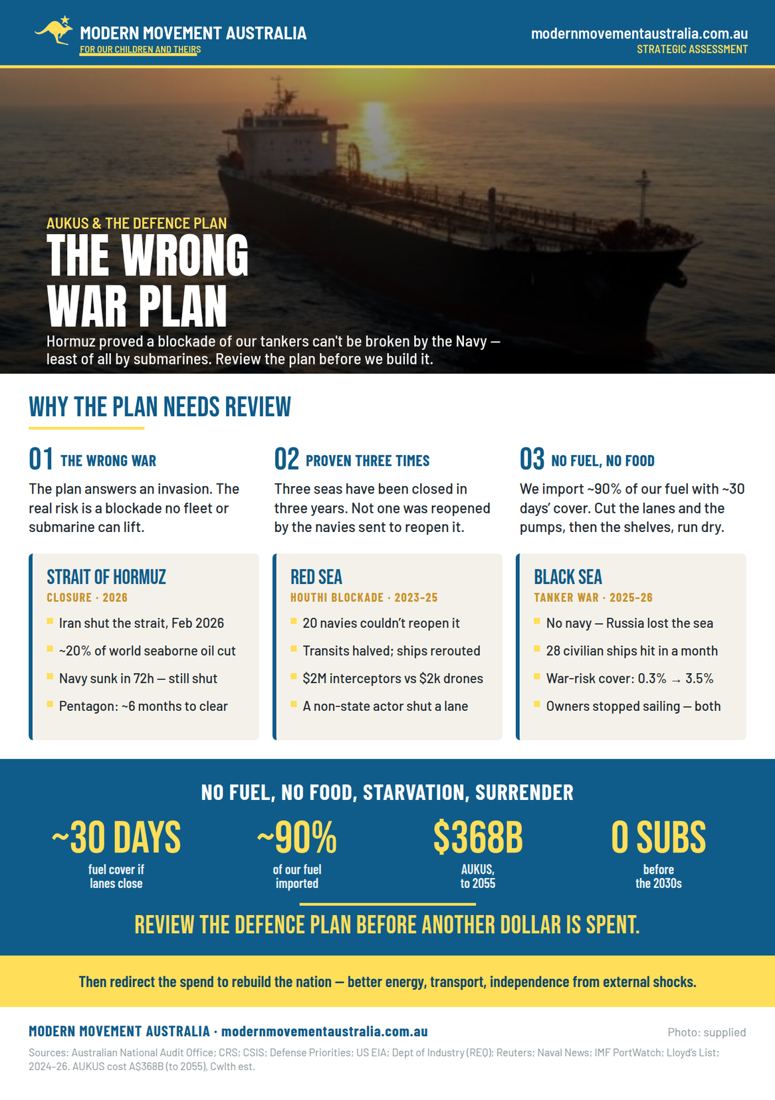
Three seas closed in three years, and not one reopened by the navies sent to reopen it. Nobody asked whether we wanted the boats.
Read →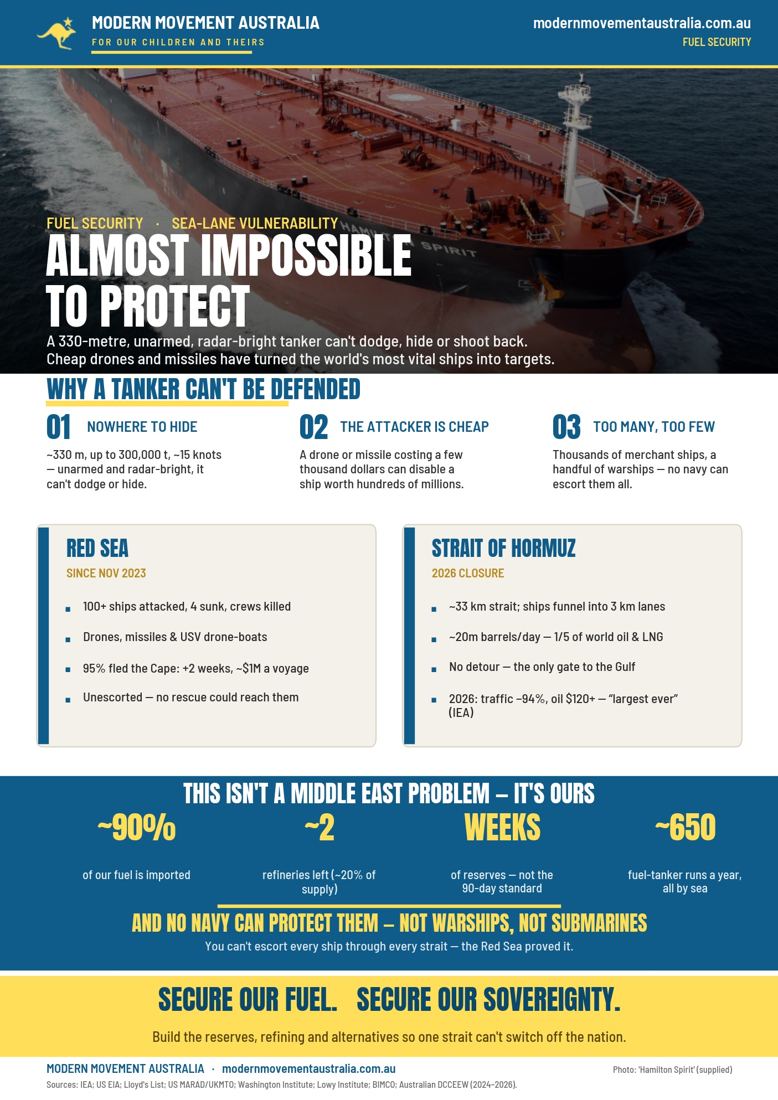
When the Nullarbor flooded, the West ran short in days. That was weather, not a war — and everything here runs just in time.
Read →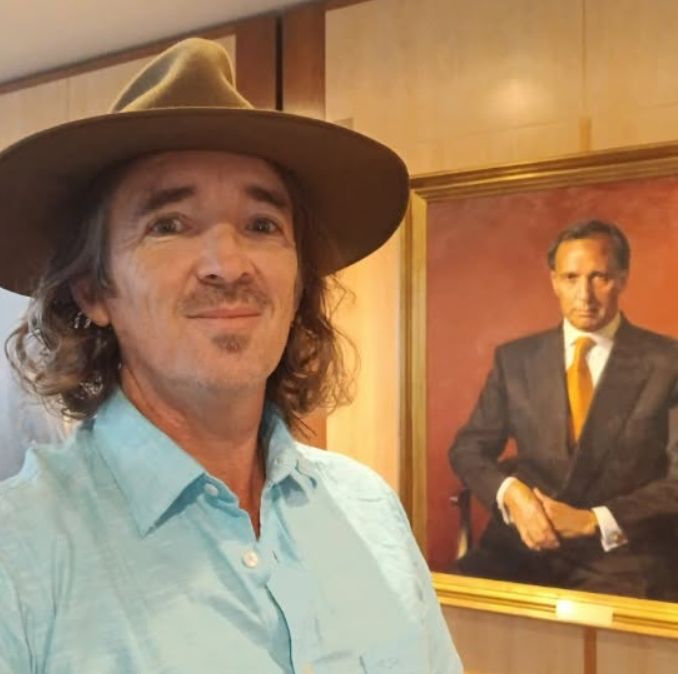
A former prime minister with no election left to win, saying plainly what serving members will not.
Read →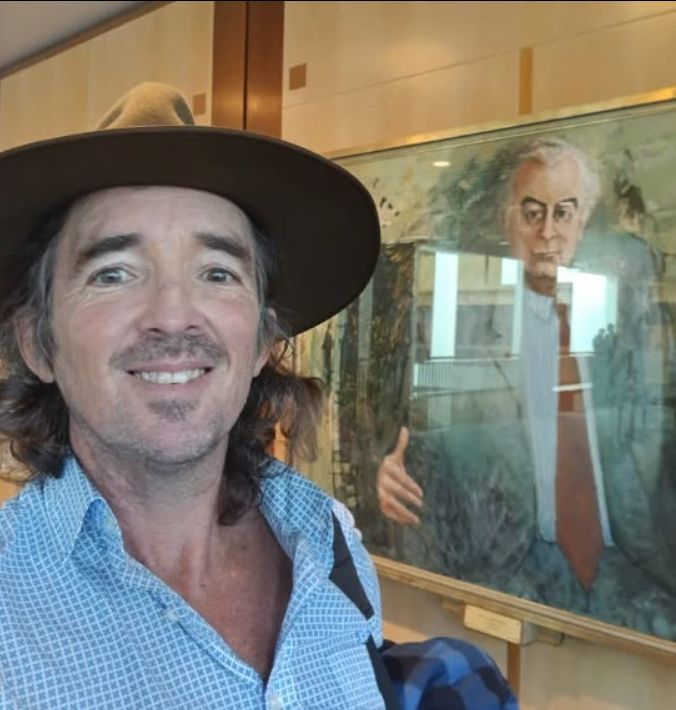
Two days in question time, a corridor of prime ministers, and a memo on what Hormuz teaches us about a war in this region.
Read →
Organise a group. Meet regularly. Bring the people who are worried about this country into the same room. Peaceful, inclusive.
Read →
Independence, a public oath to Australia, and a Royal Commission into AUKUS. None of them costs anything — and all of them would be resisted.
Read →
A million in every capital, a million in Canberra, and a meeting place in every town. Peaceful, and staying until they listen.
Read →
An ordinary man who spent his last three and a half weeks carrying the wounded down Monash Valley, until it cost him his life. He was twenty-two.
Read →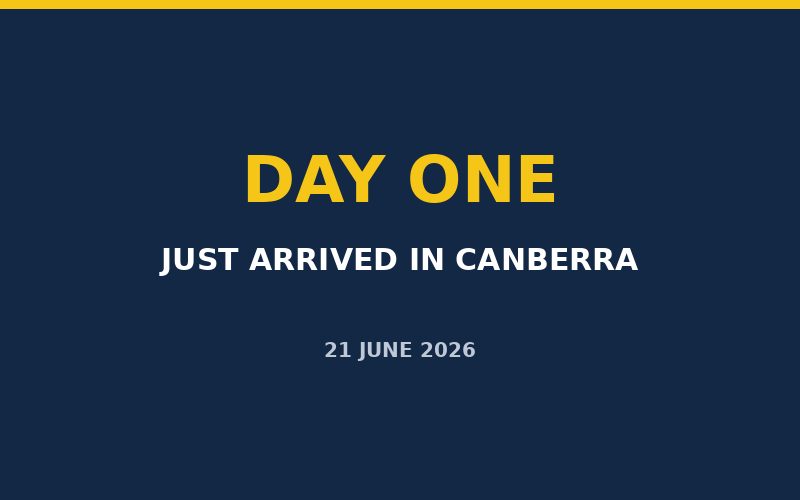
Where it started. Nobody asked us about AUKUS — and this country should be a unifier in the region, not a divider.
Read →The record runs from Day 1, the day I arrived in Canberra, to the current day. Read from the bottom up to follow it in order. The daily posts also run on X