One turn of the Earth’s axis takes about 25,772 years. India, Babylon, Egypt, Greece, Persia, Israel, China and the Maya each counted long cycles of ages of their own.
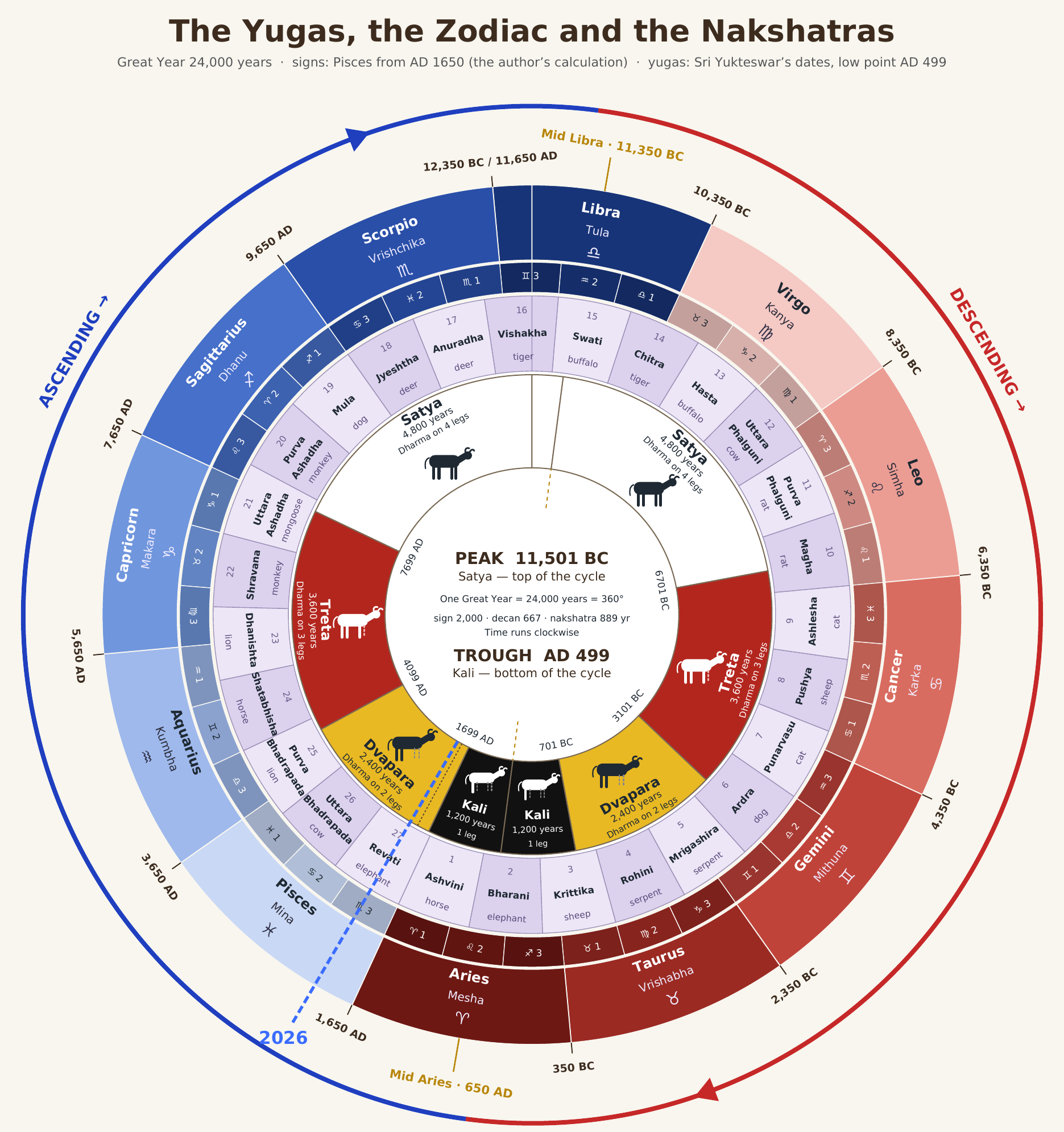
One Great Year drawn as a circle of 24,000 years, time running clockwise. From the outside in: the twelve signs, the 36 decans, the 27 nakshatras, and the yugas in Vishnu’s colours with the bull of dharma on its standing legs. The blue dashed line marks 2026.
Assumptions on the wheel.
Each division as an arc of the circle, at 24,000 years and at 25,920 years (72 years per degree), with the name each system gave it.
| Division | Arc | Per cycle | At 24,000 | At 25,920 | Base 60 | In 60s | What it is | How each system named it |
|---|---|---|---|---|---|---|---|---|
| Great Year | 360° | 1 | 24,000 | 25,920 | 7,12,0 | 432 × 60 | One full turn of the equinox point through the zodiac (precession), at 72 years per degree. | Greek: megas eniautos (Plato, Timaeus 39d, the ‘perfect year’, later applied to precession) · Latin: annus magnus, annus platonicus · Hindu (Yukteswar): the full yuga cycle, 24,000 yr in his count |
| Half cycle | 180° | 2 | 12,000 | 12,960 | 3,36,0 | 216 × 60 | One arc of the cycle: peak to trough (descending) or trough to peak (ascending). | Hindu (Yukteswar): descending and ascending arc, 12,000 yr each · Jain: avasarpiṇī (descending half) and utsarpiṇī (ascending half) |
| Quarter | 90° | 4 | 6,000 | 6,480 | 1,48,0 | 108 × 60 | The arc between an equinox and a solstice point. | Modern: ‘Platonic season’ · the four cardinal points: two equinoxes, two solstices |
| Sar | 50° | 7.2 | 3,333.3 | 3,600 | 1,0,0 | 60 × 60 | The Babylonian unit 3,600 (60²). Not the Saros eclipse cycle (18 yr 11 d). | Sumerian / Akkadian: šár · Greek: saros (Berossus: 120 sars = 432,000 yr before the Flood) |
| Yugas (scaled) | — | 8 per cycle | Satya 4,800 Treta 3,600 Dvapara 2,400 Kali 1,200 | Satya 5,184 Treta 3,888 Dvapara 2,592 Kali 1,296 | 1,26,24 1,4,48 43,12 21,36 | 12 × 432 9 × 432 6 × 432 3 × 432 | Four ages in the ratio 4:3:2:1, each run twice per cycle (descending then ascending). Yukteswar’s 4,800 / 3,600 / 2,400 / 1,200 × 1.08. | Sanskrit: yuga — Kṛta, Tretā, Dvāpara, Kali, named for dice throws 4, 3, 2, 1 · Greek (Hesiod): golden, silver, bronze, heroic, iron races · Zoroastrian (Bundahišn): 12,000 yr in four periods of 3,000 · Jain: six āras per half cycle |
| Sign (age) | 30° | 12 | 2,000 | 2,160 | 36,0 | 36 × 60 | One twelfth of the ecliptic; the time the equinox takes to cross one sign. | Babylonian: MUL (star / constellation), e.g. LU.ḪUN.GÁ ‘hired man’ = Aries · Greek: zōidion · Latin: signum · Sanskrit: rāśi · Arabic: burj · Hebrew: mazzal · Modern: astrological age, ‘Platonic month’ |
| Nakshatra | 13°20′ | 27 | 888.9 | 960 | 16,0 | 16 × 60 | Lunar mansion: the Moon moves through about one per day. Native Vedic division, older than the rashis in India. | Sanskrit: nakṣatra · Arabic: manāzil al-qamar (28, unequal) · Chinese: xiù, the 28 lodges (unequal) |
| Decan | 10° | 36 | 666.7 | 720 | 12,0 | 12 × 60 | A third of a sign. Hindu rulers: 1st = the sign, 2nd = 5th sign, 3rd = 9th sign (same element). | Egyptian: 36 star groups rising about 10 days each (Sopdet / Sirius among them) · Greek: dekanos · Latin: decanus, facies (‘face’) · Arabic: wajh (‘face’) · Sanskrit: dreṣkāṇa / drekkāṇa |
| Navamsa / pada | 3°20′ | 108 | 222.2 | 240 | 4,0 | 4 × 60 | A ninth of a sign = a quarter of a nakshatra. 3 per decan, 9 per sign, 4 per nakshatra. | Sanskrit: navāṃśa (‘ninth part’), pāda (‘quarter’) · Persian / Arabic: nuhbahr (al-Bīrūnī) · Latin: novenaria |
| Degree | 1° | 360 | 66.7 | 72 | 1,12 | 1.2 × 60 | The base step of the table: one degree of precession = 72 years. | Babylonian: UŠ · Greek: moira · Latin: gradus · Sanskrit: aṃśa, bhāga |
Reading the table. The 24,000-year column matches the wheel. The 25,920 and base-60 columns use 72 years per degree, at which every division is a whole multiple of 60. Measured precession is about 25,772 years. Base 60 writes the year count in sexagesimal digits, e.g. 25,920 = 7 × 3,600 + 12 × 60 + 0 = 7,12,0. Nesting: 1 sign = 3 decans = 9 navamsas = 2¼ nakshatras; 1 decan = 3 navamsas; 1 nakshatra = 4 padas; 27 × 4 = 108 = 12 × 9. Yugas: the 24,000-year column uses Yukteswar’s lengths; the Puranic yugas are 1,728,000 / 1,296,000 / 864,000 / 432,000 years, the same 4:3:2:1 ratio (Kali = 2 × 60³). The Arabic and Chinese lunar mansions number 28 and are unequal, so they do not map one-to-one onto the 27 nakshatras.
The ages of the Puranic and epic tradition, with Sri Yukteswar’s reading.
| Satya (Krita) | Treta | Dvapara | Kali | |
|---|---|---|---|---|
| Dharma (bull's legs) | 4 | 3 | 2 | 1 |
| Character of the age | No disease, hatred, pride or fear; one Veda, one dharma | Sacrificial ritual begins; duty done for reward | Desire, disease and falsehood increase; Veda divided into four by Vyasa | Wealth gives status, strength gives justice, rulers plunder |
| Dominant guna (Bhagavata 12.3.27–30) | Sattva (purity, clarity) | Rajas (passion, drive), with sattva | Rajas and tamas mixed | Tamas (inertia, darkness) |
| Adharma present (falsehood, violence, discontent, quarrel; Bhagavata 12.3.20) | None | One quarter | Half | Three quarters |
| War and conflict | None; no hatred or quarrel (Mbh 3.148) | Kingship and punishment begin; Parashurama against the kshatriyas; Rama against Ravana | Kurukshetra war, 18 armies; age ends in the Yadava slaughter at Dwarka | Rulers plunder; robbery; people kill one another; fear of war, famine and tax (Bhagavata 12.2; Vishnu Purana 6.1; Mbh 3.188) |
| Lifespan (Manu 1.83) | 400 years | 300 years | 200 years | 100 years |
| Vishnu's colour (Mbh 3.148) | White | Red | Yellow | Black |
| Means of salvation (Bhagavata 12.3.52) | Meditation | Sacrifice | Temple worship | Chanting the name |
| Means of salvation (Manu 1.86) | Austerity (tapas) | Knowledge (jnana) | Sacrifice | Giving (dana) |
| Avatars | Matsya, Kurma, Varaha, Narasimha | Vamana, Parashurama, Rama | Krishna | Kalki (at the end) |
| Length, divine years | 4,800 | 3,600 | 2,400 | 1,200 |
| Length, human years (×360) | 1,728,000 | 1,296,000 | 864,000 | 432,000 |
| Yukteswar: what the intellect grasps | God, the Spirit | Divine magnetism | Fine electricities, subtle matter | Gross matter only |
| Yukteswar length (human years) | 4,800 | 3,600 | 2,400 | 1,200 |
Notes. Divine-year lengths include each age's dawn and dusk (sandhya) periods; for Satya, 4,000 + 400 + 400. The bull's legs are named differently: Bhagavata 1.17 — austerity, cleanliness, mercy, truthfulness (in Kali only truthfulness remains); Bhagavata 12.3 — truth, compassion, austerity, charity. Kali Yuga begins 3102 BC, the epoch fixed by Aryabhata (AD 499). Yukteswar (The Holy Science, 1894) runs the four ages descending then ascending: a 24,000-year cycle. Sources: Mahabharata 3.148, 3.186–189; Manusmriti 1.81–86; Vishnu Purana 3.3, 6.1; Bhagavata Purana 1.17, 12.2–3. Adharma fractions are inferred from Bhagavata 12.3.20, where each leg of dharma is reduced by a quarter per age.
Each tradition’s cycle, its divisions and the figure at the turning, with its proportions scaled to 24,000 years in the last column.
| Tradition | Source | Stated length | Divisions | Shape of the cycle | Figure at the turning | End / renewal | On a 24,000-year Great Year |
|---|---|---|---|---|---|---|---|
| India | |||||||
| Hindu Puranic | Vishnu Purana, Bhagavata Purana | Mahayuga 4,320,000 yr; kalpa 4.32 bn yr | 4 yugas in 4:3:2:1, each with a dawn and dusk of 1/10 | One-way decline, then renewal; repeats | Avatars whenever dharma declines; Kalki at the end of Kali | Kalki ends Kali; Satya returns | 9,600 / 7,200 / 4,800 / 2,400 |
| Yukteswar | The Holy Science (1894) | 24,000 yr | 4:3:2:1, descending then ascending | Rising and falling | None named | Ascent back to Satya | 4,800 / 3,600 / 2,400 / 1,200, twice |
| Jain | Agamas; Tiloyapaṇṇatti | Immense (sāgaropamas); 5th and 6th spokes 21,000 yr each | Two halves (avasarpiṇī, utsarpiṇī), six spokes (āras) each | Rising and falling (a wheel) | 24 Tīrthaṅkaras in each half, in the 3rd and 4th spokes | End of the 6th spoke; the ascending half begins | 12,000 per half; 4,800 / 3,600 / 2,400 / 1,200; 5th and 6th scale to almost 0 |
| Buddhist | Abhidharmakośa (4th–5th c. AD) | Great kalpa, incalculable | 4 phases × 20 intermediate kalpas | Human lifespan falls 80,000 → 10 years, then rises | Buddhas; Maitreya when lifespans reach about 80,000 | World destroyed by fire, water or wind, then re-formed | 6,000 per phase; 300 per intermediate kalpa |
| Near East | |||||||
| Babylonian | Berossus (c. 290 BC), via Seneca | 432,000 yr before the Flood (120 sars) | Reigns of the kings; planetary conjunctions | Repeating: flood and fire | Flood hero Xisuthros | Flood when planets meet in Cancer; fire when they meet in Capricorn | 1 sar = 200 yr |
| Zoroastrian | Bundahišn (compiled 9th c. AD) | 12,000 yr | 4 periods of 3,000; 12 millennia | One-way to renewal | Zoroaster at the start of the last 3,000; three Saoshyants in the final millennia | Frašōkərəti: resurrection and renewal | 2,000 per millennium (= 1 sign); 6,000 per period |
| Jewish | Talmud, Sanhedrin 97a–b | 6,000 + 1,000 yr | 3 × 2,000 (chaos, Torah, Messiah); Sabbath millennium | One-way, then rest | Messiah son of Joseph and Messiah son of David, within 4000–6000 | Seventh millennium; the world renewed | 8,000 per 2,000-block; 3,428.6 per millennium-day |
| Kabbalah (shemitot) | Sefer ha-Temunah (13th–14th c.) | 49,000 yr | 7 cycles of 7,000 | Repeating | — | Jubilee after the 7th cycle | 3,428.6 per cycle |
| Abu Maʿshar | Book of Conjunctions (9th c., Baghdad) | 20 / 240 / 960 yr | Jupiter–Saturn conjunctions; shifts of element (triplicity) | Repeating | Prophets and new dynasties at the element shifts | — | Real years: 1,200 / 100 / 25 fit |
| Greece & Rome | |||||||
| Hesiod | Works and Days (c. 700 BC) | No lengths | 5 races: gold, silver, bronze, heroes, iron | One-way decline | — | Zeus destroys the iron race | 4,800 each, if equal |
| Plato, Statesman | Statesman 268e–274e (c. 360 BC) | No lengths | Age of Kronos; age of Zeus | Alternating: the cosmos reverses | The god takes the tiller again | Reversal and restart | 12,000 + 12,000 |
| Plato, Great Year | Timaeus 39d; Republic 546 | Perfect year; nuptial number 12,960,000 (60⁴) | — | Repeating | — | All heavenly circuits return together | 60⁴ = 540 Great Years of 24,000 |
| Heraclitus | Reported by Censorinus, De Die Natali 18 | 10,800 yr | — | Repeating | — | — | Real years: 2.22 fit (21,600 if doubled) |
| Stoic | Chrysippus and others (3rd c. BC on) | One Great Year | — | Repeating, identical worlds | — | Ekpyrōsis: world fire, then the same world again | 1 Great Year |
| Etruscan / Roman | Censorinus; Servius | Saeculum of 100–110 yr | The Etruscans allotted 10 saecula | Sequence of ages | An omen marks each new saeculum (comet of 44 BC) | 10th saeculum begins 44 BC; Secular Games 17 BC | Real years: 240 / 218 fit |
| Egypt | |||||||
| Sothic cycle | Censorinus (realignment AD 139) | 1,460 yr | 365-day civil calendar against the rising of Sirius | Repeating realignment | — | Calendar and Sirius back in step | Real years: 16.4 fit |
| China | |||||||
| Shao Yong | Huangji jingshi (11th c.) | 129,600 yr (yuan) | 12 epochs × 30 × 12 × 30 | Rising and falling: the world opens, then closes | — | World closes and reopens | Epoch = 2,000 (= 1 sign); revolution = 66.7 (= 1°) |
| Americas | |||||||
| Maya | Long Count inscriptions; Popol Vuh | 13 baktuns ≈ 5,125 yr (present era from 3114 BC) | Baktuns of 144,000 days | Repeating creations | — | Era ends; new creation | If 5 eras = Great Year: 4,800 per era; 369 per baktun |
| Aztec | Legend of the Suns (16th c.) | Four earlier Suns of stated lengths | 5 Suns | One-way series of worlds | — | Ended by jaguars, wind, fire-rain, flood; the 5th by earthquakes | 4,800 per Sun, if equal |
| Christian | |||||||
| Six Ages | Augustine, City of God 22.30; Bede | About 6,000 yr | 6 ages (Adam, Flood, Abraham, David, Exile, Christ) + Sabbath | One-way | Christ opens the 6th age | Eternal Sabbath | 4,000 each, if equal |
Last column. Systems with proportions (ages, spokes, millennia) are scaled so the whole equals 24,000 years, keeping their ratios. Cycles stated in real years (Abu Maʿshar, saecula, Sothic, Heraclitus) are not scaled: the figure is how many fit into 24,000. Where a source gives no lengths, the 24,000 is split equally and marked ‘if equal’. Scaling forces every system to total 24,000, so matching proportions do not mean matching absolute lengths. Of these, only Ptolemy’s rate (1° per 100 years, 36,000 years) is tied to precession in its own source. The Maya five-era total (about 25,627 years) is a modern comparison, not stated in the inscriptions. Not checked against the text: the Zoroastrian sign-per-millennium assignment and Abu Maʿshar’s 360,000-year world cycle (both left out of the table).
| Sign | Babylonian (MUL.APIN; Uruk tablets) | Greek (Eudoxus, Aratus) | Egyptian (drawings, p. 315) | Indian rashi (Varāhamihira) | Hebrew mazzal (Sefer Yetzirah; Talmud) | Arabic burj (al-Bīrūnī, al-Ṣūfī) |
|---|---|---|---|---|---|---|
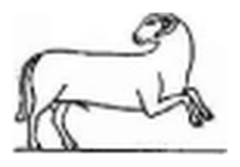
| ♈ Aries | LÚ.ḪUN.GÁ the Hired Man; god Dumuzi, the shepherd | Krios the Ram: the golden ram of Phrixus | Rama ram | Meṣa a ram | Ṭaleh the lamb | al-Ḥamal the lamb / ram |
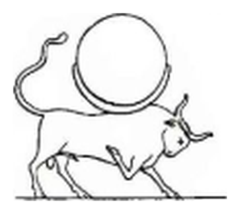
| ♉ Taurus | GU₄.AN.NA the Bull of Heaven, killed by Gilgamesh and Enkidu | Tauros the Bull: Zeus carrying Europa | Bulla bull with a sun disc | Vṛṣabha a bull | Shor the ox | al-Thawr the bull |
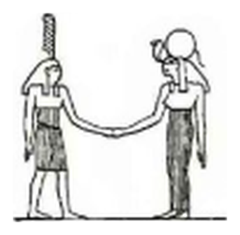
| ♊ Gemini | MAŠ.TAB.BA.GAL.GAL the Great Twins: Lugal-irra and Meslamta-ea, guardians of the underworld | Didymoi the Twins: Castor and Pollux | Man and womana man and a woman holding hands, not twin brothers | Mithuna a couple: man with a club, woman with a lute | Teʾomim the twins | al-Jawzāʾ the twins (the name first belonged to Orion) |
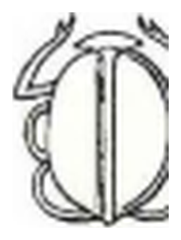
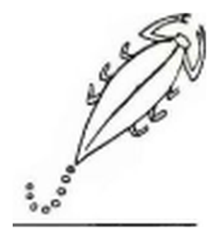
| ♋ Cancer | AL.LUL the Crab | Karkinos the Crab: sent by Hera against Heracles | Scaraba scarab beetle in place of the crab | Karkaṭa a crab | Sarṭan the crab | al-Saraṭān the crab |
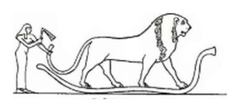
| ♌ Leo | UR.GU.LA the Lion | Leōn the Lion: the Nemean lion | Lion on a serpenta lion standing on a serpent, a figure behind it | Siṃha a lion | Aryeh the lion | al-Asad the lion |
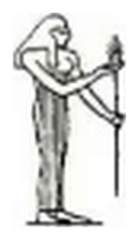
| ♍ Virgo | AB.SIN the Furrow: goddess Shala holding an ear of barley | Parthenos the Maiden holding wheat: Dike / Astraea, or Demeter | Womana standing woman holding a staff or stalk | Kanyā a maiden in a boat, holding grain and a flame | Betulah the virgin | al-Sunbula the ear of grain (also al-ʿAdhrāʾ, the virgin) |
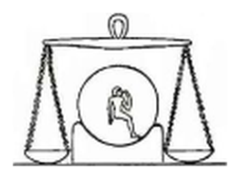
| ♎ Libra | ZI.BA.AN.NA the Scales, earlier the Scorpion’s claws; god Shamash, justice | Chēlai / Zygos first the Scorpion’s Claws, later the Balance | Balancescales, with a figure in a disc between the pans | Tulā a man holding scales | Moznayim the scales | al-Mīzān the scales |
| ♏ Scorpio | GIR.TAB the Scorpion; goddess Ishhara | Skorpios the Scorpion: sent against Orion | Scorpiona scorpion | Vṛścika a scorpion | ʿAqrav the scorpion | al-ʿAqrab the scorpion |
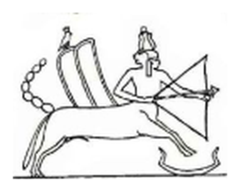
| ♐ Sagittarius | PA.BIL.SAG winged archer, horse’s body, scorpion’s tail, two heads (man and dog) | Toxotēs the Archer, a centaur | Winged archera winged centaur archer with a scorpion’s tail, close to the Babylonian Pabilsag | Dhanus the bow: an archer with a horse’s hindquarters | Qeshet the bow | al-Qaws the bow |
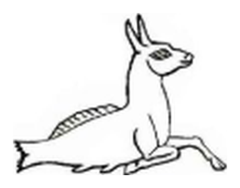
| ♑ Capricorn | SUḪUR.MAŠ the Goat-Fish; god Ea, fresh water and wisdom | Aigokerōs the Goat-Horned: goat with a fish’s tail (linked to Pan) | Goat-fisha goat with a fish’s tail | Makara a sea-creature, crocodile-like, with a deer’s head | Gedi the kid (young goat) | al-Jady the kid |
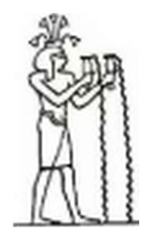
| ♒ Aquarius | GU.LA the Great One: god Ea pouring water from a vase | Hydrokhoos the Water-Pourer: Ganymede | Hapithe Nile god pouring two streams of water | Kumbha the pot: a man carrying a water-pot | Deli the bucket | al-Dalw the bucket |
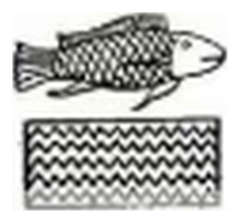
| ♓ Pisces | KUN.MEŠ the Tails: the Swallow and goddess Anunitum, joined by the Ribbon | Ichthyes the Fishes: Aphrodite and Eros fleeing Typhon | Two fishtwo fish with a square of water (the Babylonian Field) between them | Mīna two fish | Dagim the fish | al-Ḥūt the fish |
Signs, not ages. These are the images each culture gave the twelve signs of the year. No source in this table uses them as symbols of precessional ages; that use is modern. Lineage: the Babylonian set (5th c. BC) passed to the Greeks, then into Ptolemaic Egypt, India (Yavanajātaka, 2nd c. AD), the Hebrew lists and the Arabic tradition; the Ram, Virgo’s grain, the goat-fish, the water-pourer and the scorpion-tailed archer all trace back to Babylon. Egyptian drawings are cropped from the page supplied (‘Signs of the Zodiac’, p. 315; the book, and which Dendera zodiac it copies, are not identified here). The Pisces drawing shows the upper fish and the square of water only; the lower fish is obscured on the supplied image. Other descriptions differ in places (a bull lying down; a crab for Cancer). Uncertain: no image of the Hired Man survives. China has a separate twelve-fold system (the 12 Earthly Branches and 12 animals, tied to Jupiter’s 12-year cycle); it is not derived from the zodiac and does not map onto these signs, so it is not shown.
| Sign | Glyph | What the glyph shows | Babylonian abbreviation | Greek | Sanskrit and chart number | Hebrew | Sefer Yetzirah letter | Arabic |
|---|---|---|---|---|---|---|---|---|
| Aries | ♈ | ram’s horns | ḪUN | Κριός | मेष 1 | טלה | ה He | الحمل |
| Taurus | ♉ | bull’s head and horns | MÚL | Ταῦρος | वृषभ 2 | שור | ו Vav | الثور |
| Gemini | ♊ | two figures side by side | MAŠ | Δίδυμοι | मिथुन 3 | תאומים | ז Zayin | الجوزاء |
| Cancer | ♋ | crab’s claws | ALLA | Καρκίνος | कर्क 4 | סרטן | ח Chet | السرطان |
| Leo | ♌ | lion’s mane and tail | A | Λέων | सिंह 5 | אריה | ט Tet | الأسد |
| Virgo | ♍ | disputed: a maiden, or an abbreviation of Greek ΠΑΡ(θένος) | ABSIN | Παρθένος | कन्या 6 | בתולה | י Yod | السنبلة |
| Libra | ♎ | the balance beam | RÍN | Ζυγός / Χηλαί | तुला 7 | מאזנים | ל Lamed | الميزان |
| Scorpio | ♏ | body with a raised sting | GÍR | Σκορπίος | वृश्चिक 8 | עקרב | נ Nun | العقرب |
| Sagittarius | ♐ | the arrow | PA | Τοξότης | धनु 9 | קשת | ס Samekh | القوس |
| Capricorn | ♑ | goat’s horn and fish’s tail (disputed) | MÁŠ | Αἰγόκερως | मकर 10 | גדי | ע Ayin | الجدي |
| Aquarius | ♒ | waves of water | GU | Ὑδροχόος | कुम्भ 11 | דלי | צ Tsadi | الدلو |
| Pisces | ♓ | two fish joined by a cord | ZIB | Ἰχθύες | मीन 12 | דגים | ק Qof | الحوت |
Modern glyphs (♈–♓) took their fixed forms in Byzantine and medieval manuscripts; earlier shorthand forms occur in Greek papyri from Roman Egypt. The readings given are the traditional ones; Virgo and Capricorn are disputed. Babylonian: the abbreviations used for the signs in Late Babylonian astronomical diaries and horoscopes (5th–1st c. BC), shown in standard transliteration. Egyptian zodiacs (Dendera, Esna) show the signs as pictures only, with no separate written symbol, so there is no Egyptian column. Indian horoscope charts write each sign by its number, 1 (Meṣa) to 12 (Mīna), rather than a glyph. Sefer Yetzirah (ch. 5) assigns one of the twelve ‘simple’ Hebrew letters to each sign; the order shown is the common one, and some versions differ. Arabic names are those of the medieval astronomers; the ‘ear of grain’ (al-Sunbula) stands for Virgo.