THE FEAST OF THE NATIVITY OF THE BLESSED VIRGIN MARY
It was mother Marys birthday on the 8 September and is celebrated as the Feast of the Nativity of the Blessed Virgin Mary.
These images are from the Basilica of Santa Maria Maggiore in Rome.
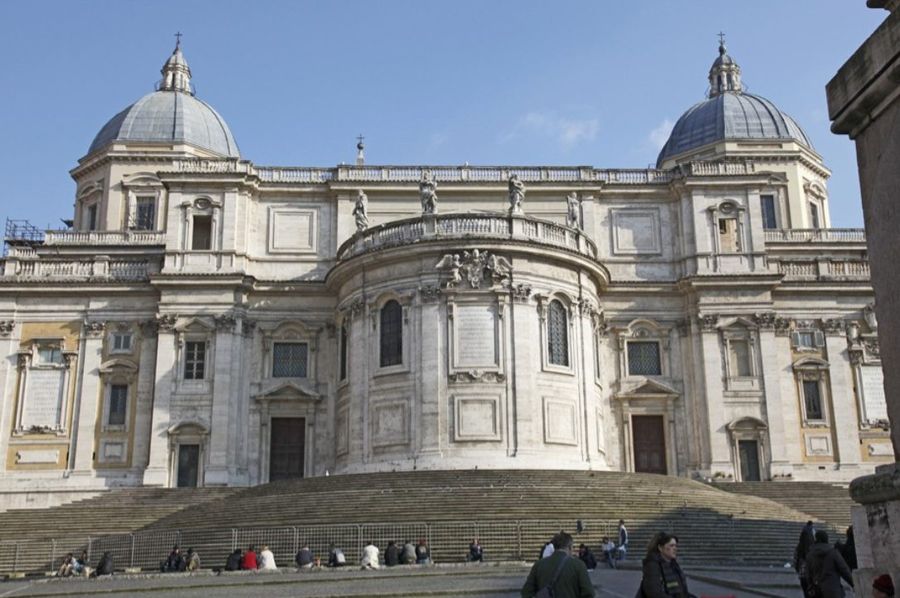
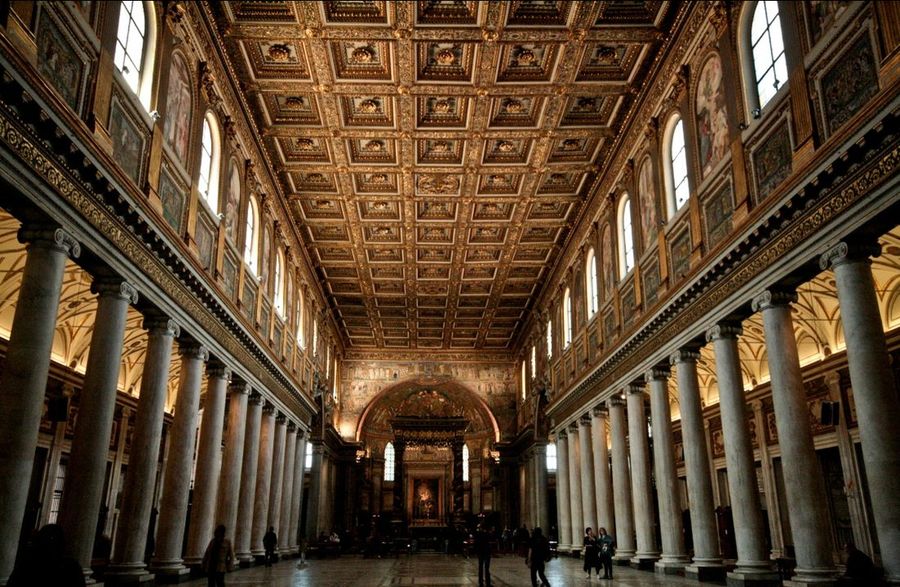
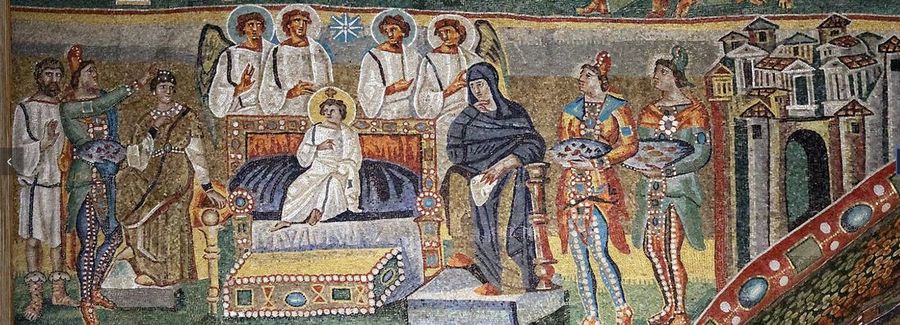
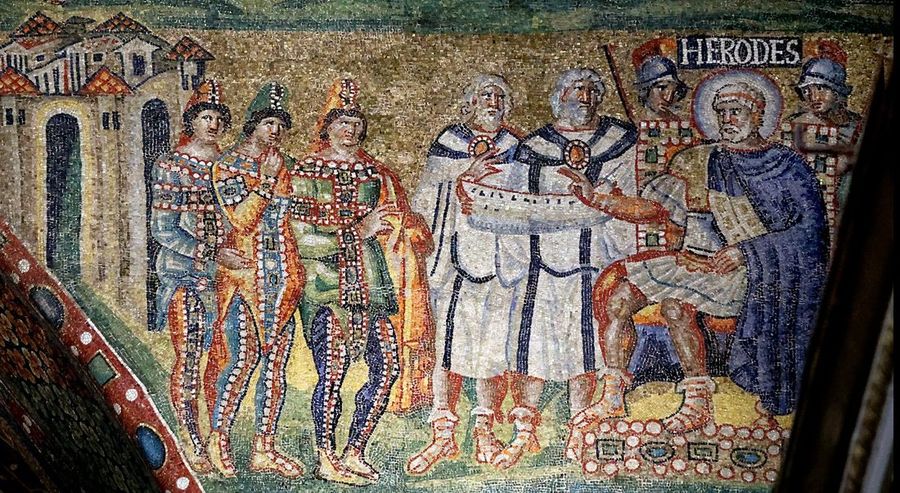
Pope Sixtus III (Xystus) commissioned it in the 430s after the Council of Ephesus affirmed Mary as Theotokos. The inscription “Xystus Episcopus Plebi Dei” records the pope’s dedication of the work to the people of God.
Theotokos (Greek: Θεοτόκος) means “God-bearer” or “Mother of God.” It is the principal title given to the Virgin Mary in Eastern Christianity and is also used in the Catholic Church. The term was formally defined at the Council of Ephesus in 431.
The council rejected the teaching of Nestorius, Patriarch of Constantinople, who preferred to call Mary Christotokos (“Christ-bearer”) because he wanted to keep a sharper distinction between Christ’s human and divine natures. The council fathers insisted that because Jesus is one Person who is fully God and fully man, Mary can rightly be called the Mother of God. The title does not mean Mary is the source of the divine nature; it means she gave birth to the incarnate Son of God.
It therefore safeguards the unity of Christ’s person. After Ephesus the title became standard in liturgy, icons, and theology, especially in the East.
Santa Maria Maggiore in Rome was rebuilt and decorated shortly after the council precisely to honor this newly defined dogma.
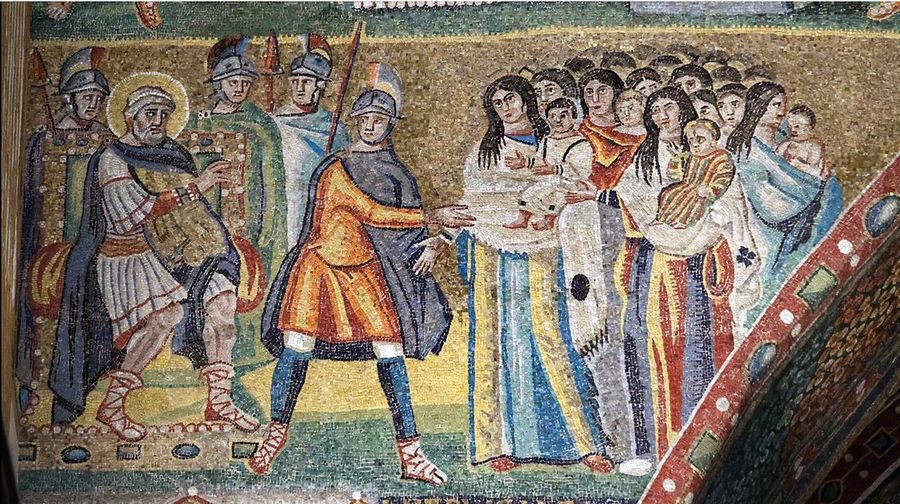
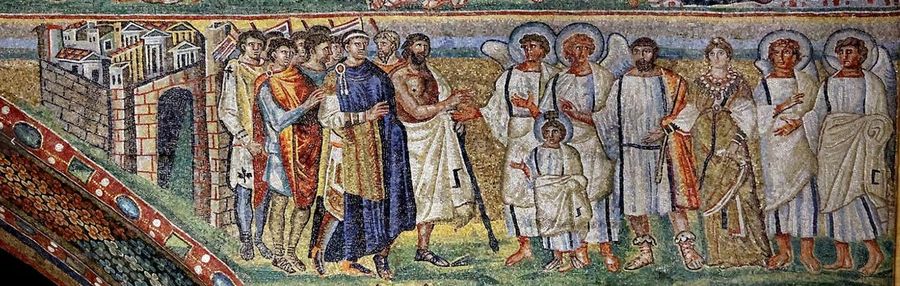
Santa Maria Maggiore stands on the Cispius, the northern spur of the Esquiline Hill — the largest of Rome’s seven hills.
Long before the basilica, this ridge was already a place of mothers and birth. On the Cispius stood a sacred grove (lucus) of Juno Lucina, the goddess of light and of women in childbirth. A temple was dedicated to her here on 1 March 375 BC, inside the older grove. Varro places it near the sixth shrine of the Argei, a little west of what is now Santa Prassede. No remains of the temple survive, but inscriptions of her cult have been found nearby.
The great festival of the site was the Matronalia on 1 March — New Year’s Day in the old Roman calendar and the birthday of the temple. Married women received gifts from their husbands; couples prayed for the continuance of their marriage and for safe births. Parents were said to offer a coin at the temple for each newborn, so the shrine also served as a kind of birth register.
Ovid links Juno Lucina’s grove on the Esquiline with fertility rites connected to the Lupercalia. The same slope held other groves: of Mefitis, and an ancient stand of lotus trees that Pliny thought older than the temple itself.
King Servius Tullius brought it inside the walls in the sixth century BC and lived there himself to give the hill honour. Later it became an elite quarter of gardens and villas.
Then, in the fifth century, the Mother of God took the place once held by the mother-goddess of childbirth. The church of Mary was raised on the same spur where Roman matrons had come to pray for children.
Who loves History??
Background added here, not part of the post as published.
The sequence on that one footprint — groves, temple, houses, hall, basilica — is set out in A Hill of Mothers, and the arch mosaics panel by panel in Reading the Arch.