THE STAR THAT STARTS THE YEAR
Enjoy celebrating 250 years, America. May the Lord bring love, peace and harmony to the nations.
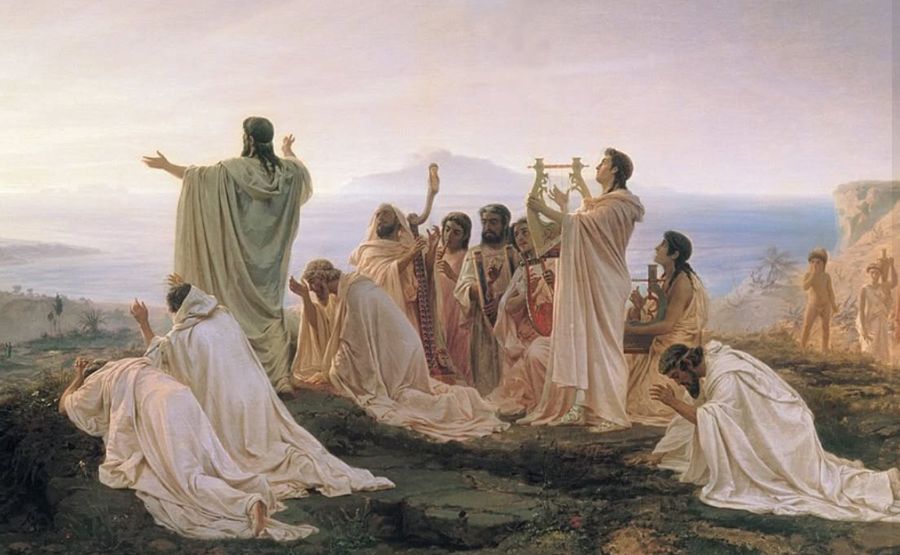
Around this time of year in the ancient world, the year itself began — marked by the heliacal rising of Sirius, our nearest stellar neighbour and the brightest star in the sky, only 8.6 light years away. It was a calibration point for the calendar.
The heliacal rising is the first morning a star becomes visible again at dawn after a stretch of invisibility. “Heliacal” comes from Helios — the whole event is about where the star sits relative to the Sun.
Why a star disappears. From our moving vantage point the Sun appears to drift eastward through the star background across the year, about a degree a day — that is simply the Earth going around it. As the Sun creeps toward a given star, the star ends up above the horizon only in daytime, drowned in glare. For Sirius that blackout runs about seventy days — the seventy days in the Duat that the Egyptians spoke of. It is up there the whole time; the sky around it is just too bright.
The rising itself. Keep going and the Sun moves past the star, pulling east of it. Now the star rises before the Sun does. The first dawn on which it clears the eastern horizon and gets a brief window — risen, but the sky not yet flooded — is the heliacal rising. For a few minutes it blinks on low in the east, then vanishes into the brightening sky. The mornings after, it rises a little earlier and is easier to catch. But that first morning is a sharp, datable event, which is exactly why ancient cultures built calendars on it.
You need to be up before the sun. A magical time of day.
And here is the part that interests me. In ancient Egypt the rising fell in what we would now call mid to late July. Today, at the same latitude, it happens in early August. The marker has moved. The calendar we use has drifted away from the sky it was originally set against — which is either a curiosity or a sign that it is due for recalibration, depending on how seriously you take the sky.
I take it seriously. There is more of this at Morals Mark →